
Restaurant Photography in Phu Quoc: What to Put in Your Shoot Brief
Turn menu priorities, website layouts and dining-room photographs into a clear brief that a production team can scope and your restaurant can deliver.
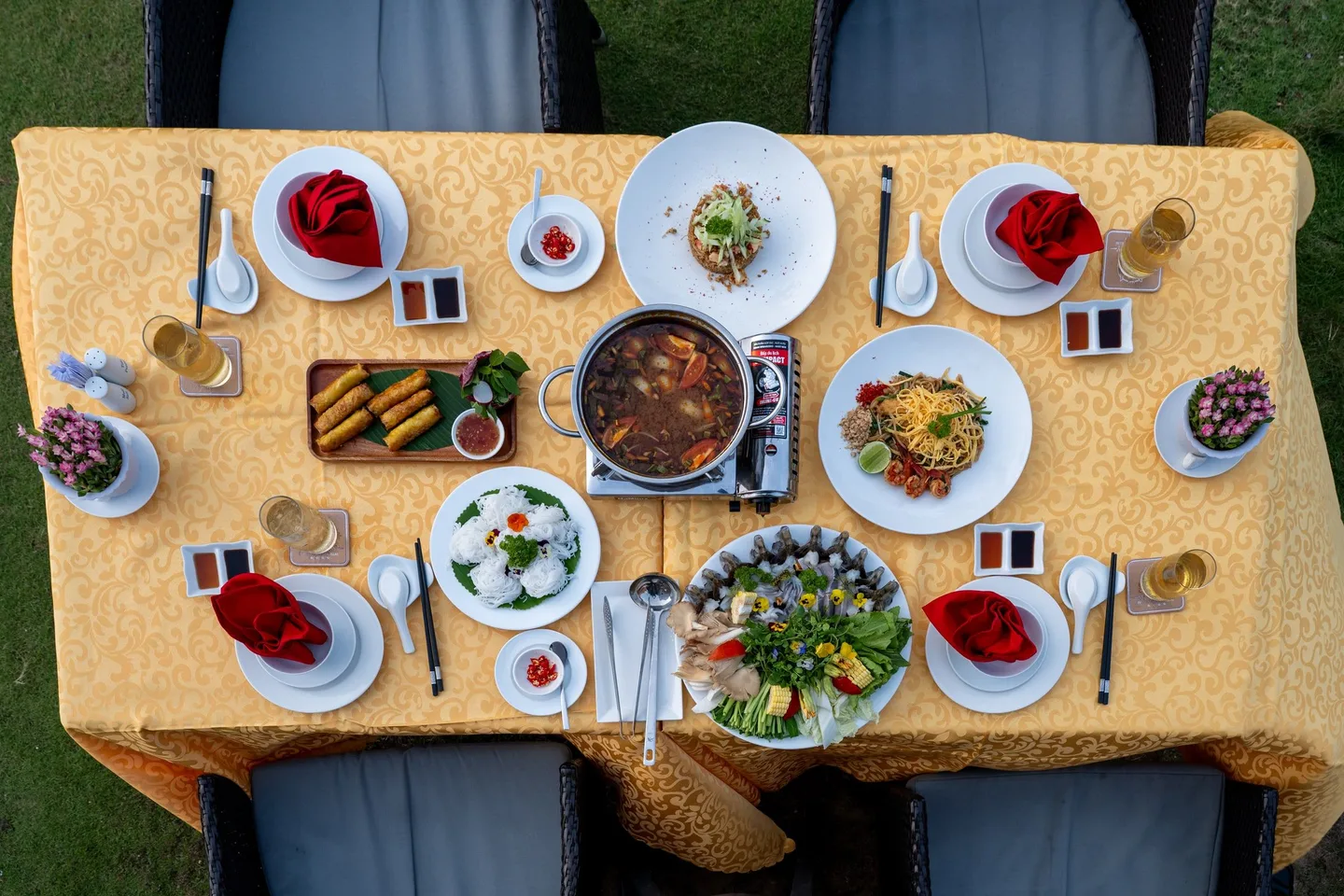
A request to photograph the restaurant can mean several different jobs. A menu refresh needs clear dish coverage. A website may also need the dining room, the approach and a sense of the setting. A campaign may need a particular composition with space for a message. Naming those uses makes the brief more useful than asking for a folder of beautiful photographs.
This guide is for restaurant owners and marketing teams preparing to commission photography in Phu Quoc. A studio table photograph and selected Waterfront food images illustrate the decisions. They are finished compositions, not the original client brief, a connected production sequence or evidence of a business result.
Explore our business services and use these guides to prepare your project brief.
Start with the decision your customer needs to make
Explain what is changing and what the images need to help a customer understand. Are you introducing a menu, showing the atmosphere of a new dining area or replacing photographs that no longer match the food? A clear purpose helps you choose subjects and decide which images are essential for the first delivery.
Then name the person who will use the files. A menu designer, website developer and social media manager may need different compositions and exports. Bring their requirements into the conversation before the shot list is approved. If layouts are still being designed, identify what is provisional rather than pretending the format decisions are complete.
List the placements before deciding the photographs
The opening overhead table photograph shows several dishes, drinks and place settings together. It describes a shared dining arrangement, but does not make every plate equally prominent. An individual dish view solves a different problem. Give each planned image a destination instead of assuming one frame will work everywhere.
Use the table as a briefing worksheet. Confirm current requirements with the person responsible for each channel; it does not prescribe platform dimensions or promise that an image will be accepted. A vertical video is also a separate capture and editing requirement, not an export that can be created from every still photograph.
| Intended placement | Decision to bring to the brief |
|---|---|
| Menu or ordering page | Which dish must be recognisable, how much of the plate must remain visible and what consistency the layout needs. |
| Website opening image | The actual desktop and mobile layouts, text position and whether a different composition is needed for each. |
| Restaurant and reservation pages | The spaces, table arrangements and practical details that help someone decide to visit. |
| Business Profile | Current food, interior and exterior coverage, including what helps someone recognise the venue on arrival. |
| Social or campaign content | Required orientations, copy space, still or moving image, and any planned series. |
| Print or partner use | The designer’s file requirements and whether the planned licence covers use by a partner or another business. |
Choose priority dishes and define what must stay accurate
Create a shortlist using the current menu and your launch priorities. Identify the dishes customers need to recognise, any categories without useful coverage and items that are not yet final. Use a stable dish name or internal identifier so that the kitchen, photographer and person receiving the files are discussing the same item.
For each dish, note the usual portion, plate, accompaniments and presentation. The photograph should help a guest understand what the restaurant actually serves. Flag seasonal ingredients or a recipe still being tested before they become the basis of a finished image. The restaurant lead should approve factual food details rather than leave that decision to the production team.
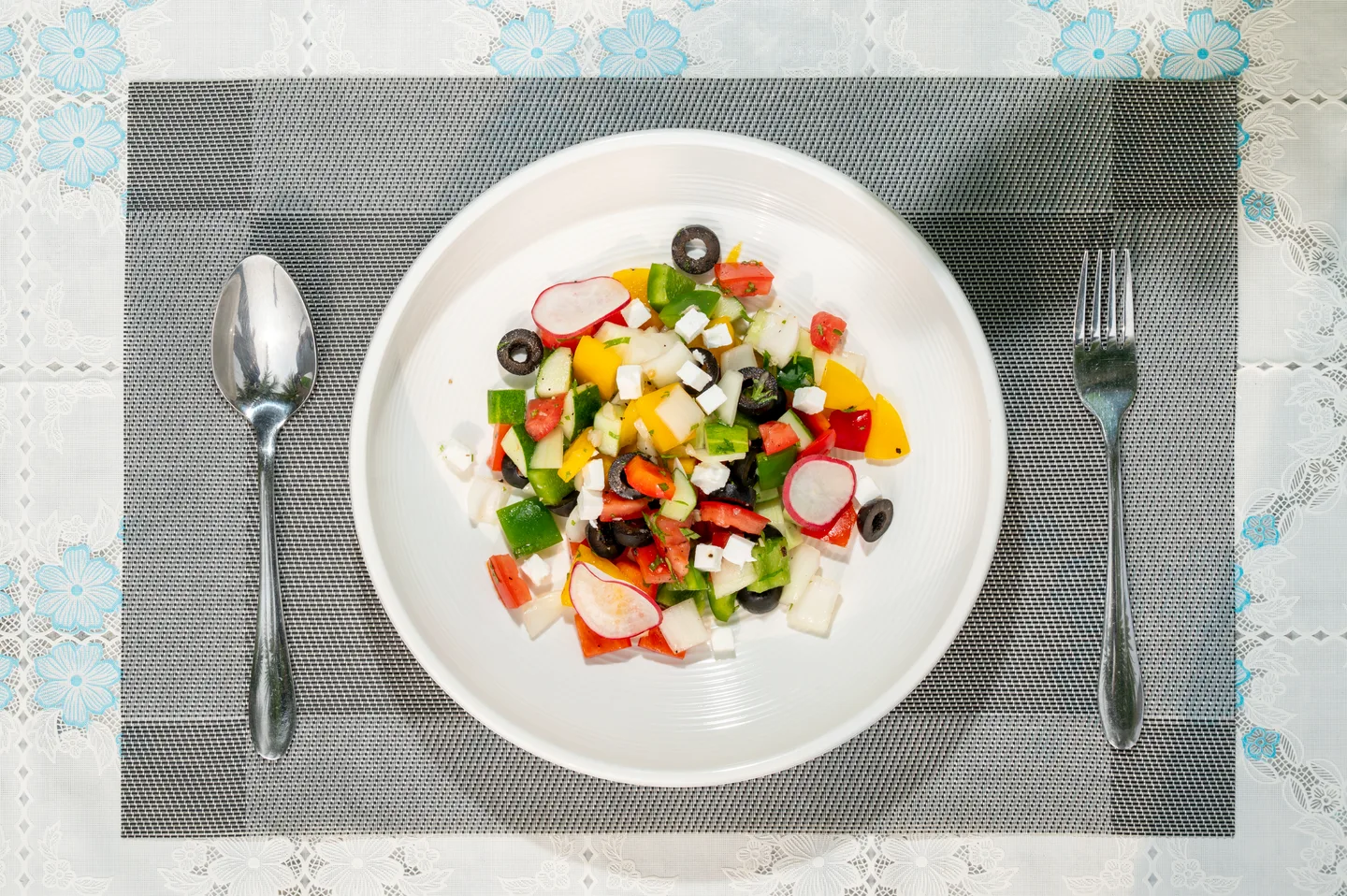
In the overhead salad photograph below, the whole plate and surrounding cutlery are visible. That makes the arrangement readable in a way that a very tight detail would not. Ask which view matters for your use, rather than choosing an angle simply because it is fashionable.
Build a shot list that can be checked, not just a mood board
References communicate atmosphere, colour and framing, but they do not tell the team exactly what has to be delivered. Give each priority shot a subject, intended placement and practical requirement. Mark essential work separately from optional additions so the team knows what to protect if a dish, space or access window changes.
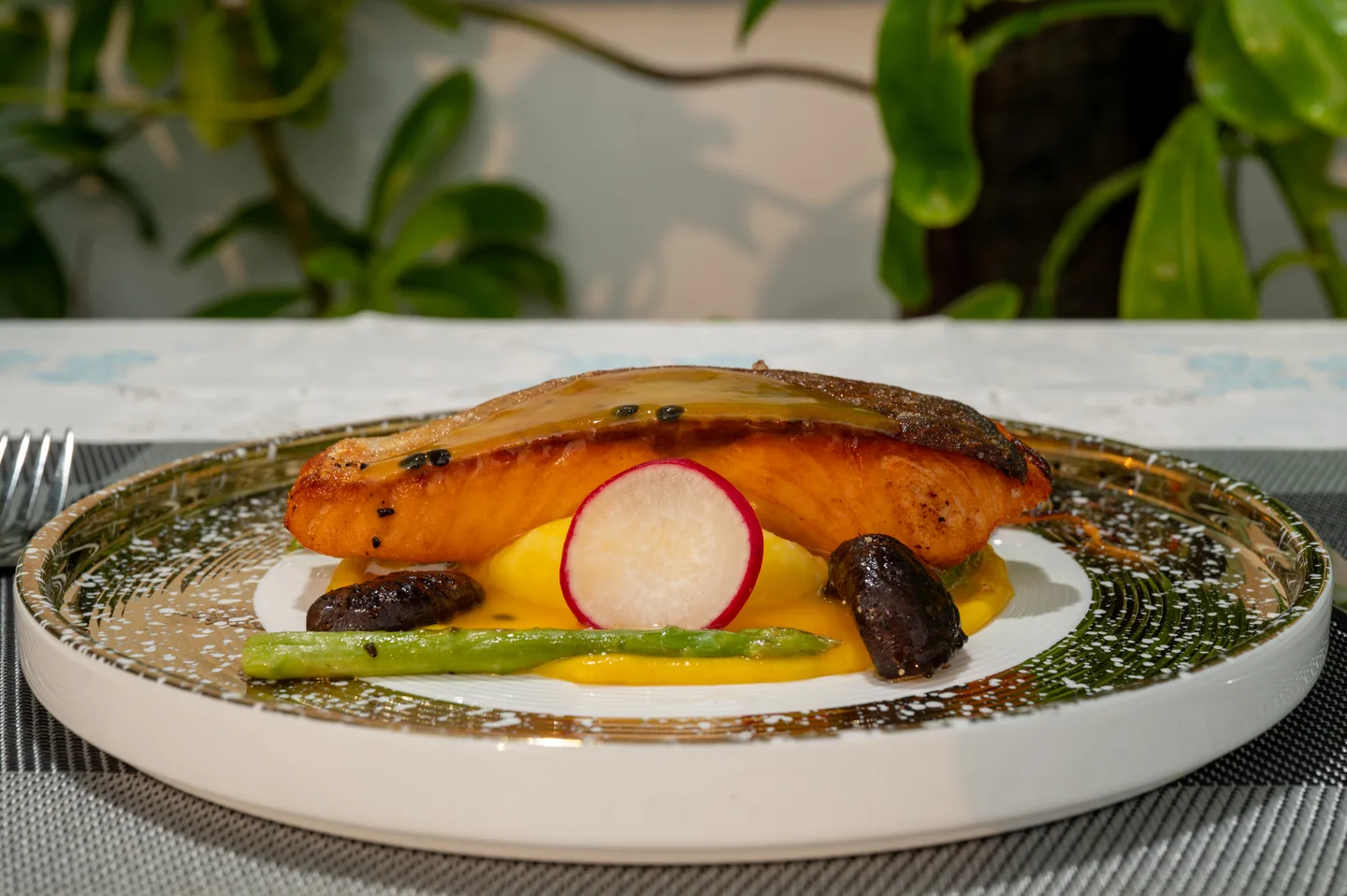
An illustrative row might request a complete view of a current fish dish for the menu, with the plate and usual accompaniments visible. Another could ask for a closer detail of its surface and sauce for an editorial page. The photograph below demonstrates a lower viewpoint and the height of the food; it does not establish that both views are included in a standard package.
Include the dining space and arrival experience where relevant. Google’s business-photo guidance distinguishes food, interior and exterior photographs, reflecting the different questions they answer for prospective customers. Use those categories to find gaps in your own library rather than copy a generic list of every possible restaurant image.
- Subject or dish identifier and the current presentation reference.
- Intended page, channel or campaign placement.
- Required framing, orientation and any space for text.
- Essential or optional priority.
- Kitchen, space, person or permission needed to make the shot.
- Who can approve accuracy and when the image is needed.
Specify still photography and moving images separately
If you need film, explain the action and use: a short dish reveal, preparation, a dining-room sequence or an introduction from the chef. A photograph of a finished plate does not show whether the kitchen can repeat a preparation step for filming, whether someone will speak or whether a suitable sound environment is available.
Ask how photography and filming will share the available space and kitchen support. Identify any sound, titles, subtitles, music or additional versions required for the finished edit. These affect planning and delivery, so they belong in the brief rather than arriving as an assumption after the shoot.
Give the production team a realistic view of the working restaurant
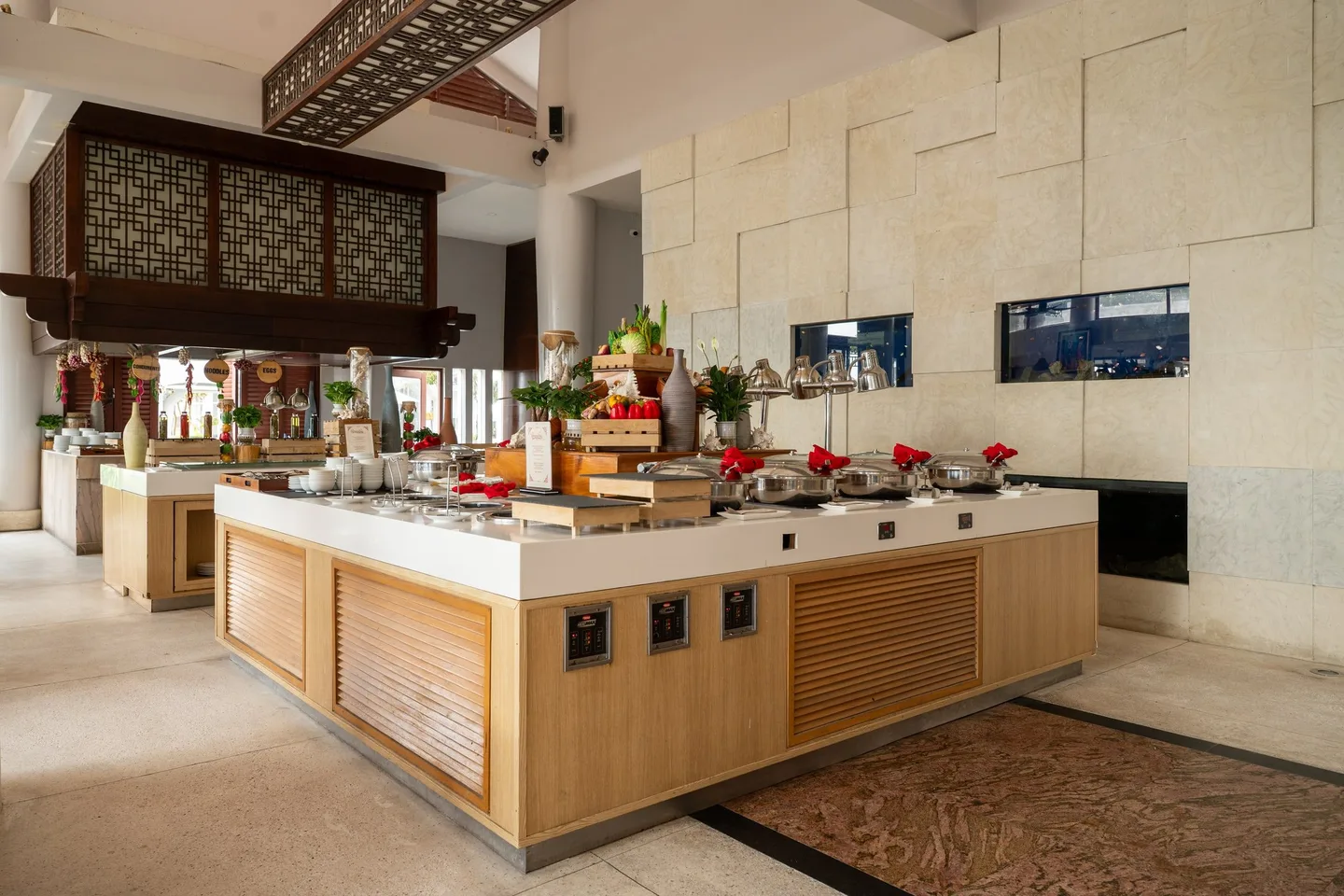
Share the address and actual access instructions, opening and service periods, the spaces available and the people who can support production. Explain whether you can reserve a table or an area, whether guests will be present and which kitchen activities must continue. An open terrace, a compact kitchen and a busy dining room each create different constraints.
For outdoor work in Phu Quoc, identify the part of the setting that matters and ask how it depends on light, weather and access. If the sea view is central to the brief, an indoor alternative may not fulfil the same purpose. Decide which images can adapt and which need another agreed window, with any change in scope or cost confirmed.
Agree delivery, review and commercial use before confirmation
Ask for the deliverables in writing: image selection or quantity, any film lengths and versions, editing scope, export requirements, file naming, delivery method and milestones. Identify the approval lead and the agreed feedback process. Raw captures, working project files, additional retouching and future edits should be discussed if your team needs them.
Explain who will use the work and where. Restaurant-owned channels, advertising, print, press and reuse by a venue partner may raise different usage questions. Ask the production team to set out the agreed licence and any relevant third-party conditions. Do not assume that commissioning photographs includes publishing, ad management or a guaranteed increase in reservations.
Send enough information to make the first conversation useful
You do not need a fully designed production document to inquire. Send the current menu, your priority dishes and spaces, the intended channels and a few references with notes about what you like. Explain what is already decided, which deadline matters and where you need advice. Budget guidance, if you can share it, helps the team discuss a workable scope.
For an example of food photography within a wider restaurant project, explore The Waterfront case study. Keep the distinction between producing images and measuring business outcomes: the results of a wider project do not establish what a standalone photo shoot will achieve. Once the scope is agreed, use the preparation guide to turn the brief into practical tasks.
- Restaurant name, address and an on-site contact.
- The change or launch the new images will support.
- Priority dishes, spaces and any people you want included.
- Channels, layouts, formats and still or film requirements.
- Target date, operating constraints and unresolved decisions.
- Approval lead, intended usage and budget guidance if available.
Research and references
Reference titles are shown in their original language.
- Existing media production service: scope, responsibilities and delivery
- Existing Waterfront project: food photography within a wider restaurant project
- Google Business Profile: food, interior and exterior photo guidance
- Photographer preparation guide: qualitative comparison of working-restaurant concerns
- Food photographer planning guide: qualitative briefing comparison
- Vietnamese Phu Quoc menu photography service: local commercial search intent