
Planning a Brand Launch in Phu Quoc: What to Prepare for Your Creative Team
Connect the offer, audience, essential launch assets and approval decisions before commissioning branding, website or content work.
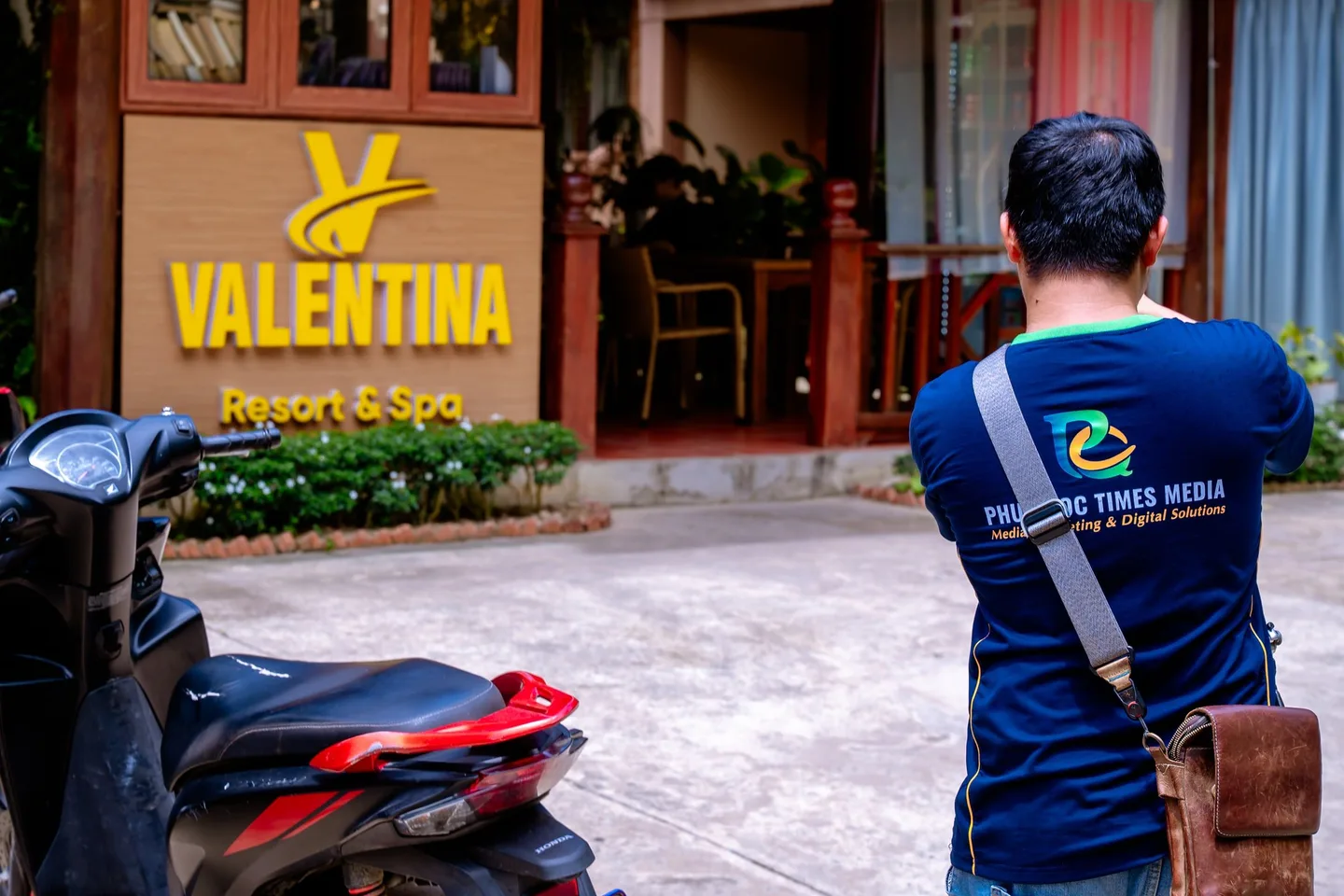
A restaurant opening, a new accommodation offer and an established business changing direction do not need the same launch project. Before asking for a logo, website and photographs, explain what customers need to understand and what you want them to do. That gives the creative team a business decision to work towards.
Use this guide to gather the brief, separate essential launch items from later improvements and make dependencies visible. The real restaurant and property photographs illustrate content choices. They are not evidence of one launch assignment, a full identity system or a measured increase in inquiries.
Explore our business services and use these guides to prepare your project brief.
Explain what is launching and what has already been decided
Describe the business, the offer and what is changing. Is this a new opening, an existing place with a new direction, or a service being introduced to another audience? List the decisions already made, such as a location, operating model or existing name, and the questions the creative work is expected to resolve.
State the action you want customers to take: understand the offer, view accommodation options, reserve a table, send a useful inquiry or discuss a project. A launch brief becomes easier to assess when that action is specific. General requests to look premium or create awareness still need a clear account of who should respond and why.
Distinguish the opening date from the date assets need to be ready. A print supplier, website team or booking provider may need approved material before the announcement. The opening production photograph illustrates one capture task, not a complete launch. Mark provisional dates honestly and identify the decisions each supplier still needs.
Bring customer evidence and identify claims that still need support
Explain the people you want to reach, the questions they ask and the alternatives they consider. Share useful reservation questions, customer feedback, sales conversations or research you can actually provide. Separate evidence from assumptions, particularly when an established local offer is being introduced to a different visitor audience.
Write down what makes the offer worth choosing and what supports that message. A property photograph can show a space, but it cannot confirm every inclusion, availability or service promise. If a statement depends on operations, ask the responsible person to approve it before it appears in a page, menu or campaign.
Include English and Vietnamese audience needs where relevant. A name, headline or offer description should be reviewed in its intended context rather than translated after the layout is considered final. Wider research, interviews or additional language work need their own scope when they are required to resolve the brief.
Separate the brand direction from the files and applications you need
Gather existing logos, colour references, type choices, tone guidance and materials customers already recognise. Explain what should stay and what no longer fits the business. A launch can need a focused refresh or clearer messages without requiring every element of the identity to be replaced.
References help explain a direction, but liking an image is different from having permission to use it. Say what appeals to you: a clear hierarchy, restrained colour, a sense of place or a particular photographic approach. Ask the team to connect the proposed direction to the audience and offer rather than combine unrelated favourites.
Specify whether you need a new name, positioning, an identity system, reusable templates or selected applications. A presentation mockup is not automatically finished artwork, a built website or an installed sign. Confirm the deliverable and supplier requirements for each item, including any separate clearance or specialist advice needed.
Prioritise the touchpoints customers need on the first day
Create a short launch asset list with a purpose and owner for each item. Start with what helps a customer understand the offer and take the intended next step. Keep later enhancements visible in a second phase so they do not quietly expand the essential launch scope.
Use the worksheet below to connect identity, copy, photography and functionality. The dependencies matter as much as the finished format: a room page needs approved accommodation information, while a menu needs confirmed dishes and a publishing method. One team may coordinate the work, but the responsibilities still need to be named.
Swipe horizontally to see all columns.
| Touchpoint to consider | Decision it supports | Input or approval needed |
|---|---|---|
| Brand messages and identity | What the offer is and how it should be recognised. | Audience, positioning, approved name and scope of identity work. |
| Website or landing page | What customers can choose and how to inquire or book. | Approved facts, images, page structure and a tested action route. |
| Menu, room or offer information | Whether the product suits the customer. | Current descriptions, inclusions, prices where used and factual owner. |
| Photographs and film | What the place, product or experience actually looks like. | Ready subjects, access, people, usage and required versions. |
| Signage and printed material | How people recognise and use the place in person. | Dimensions, supplier specifications, proof and production responsibility. |
| Launch channel assets | How the approved offer is introduced in selected channels. | Formats, copy, accounts, publication owner and release approval. |
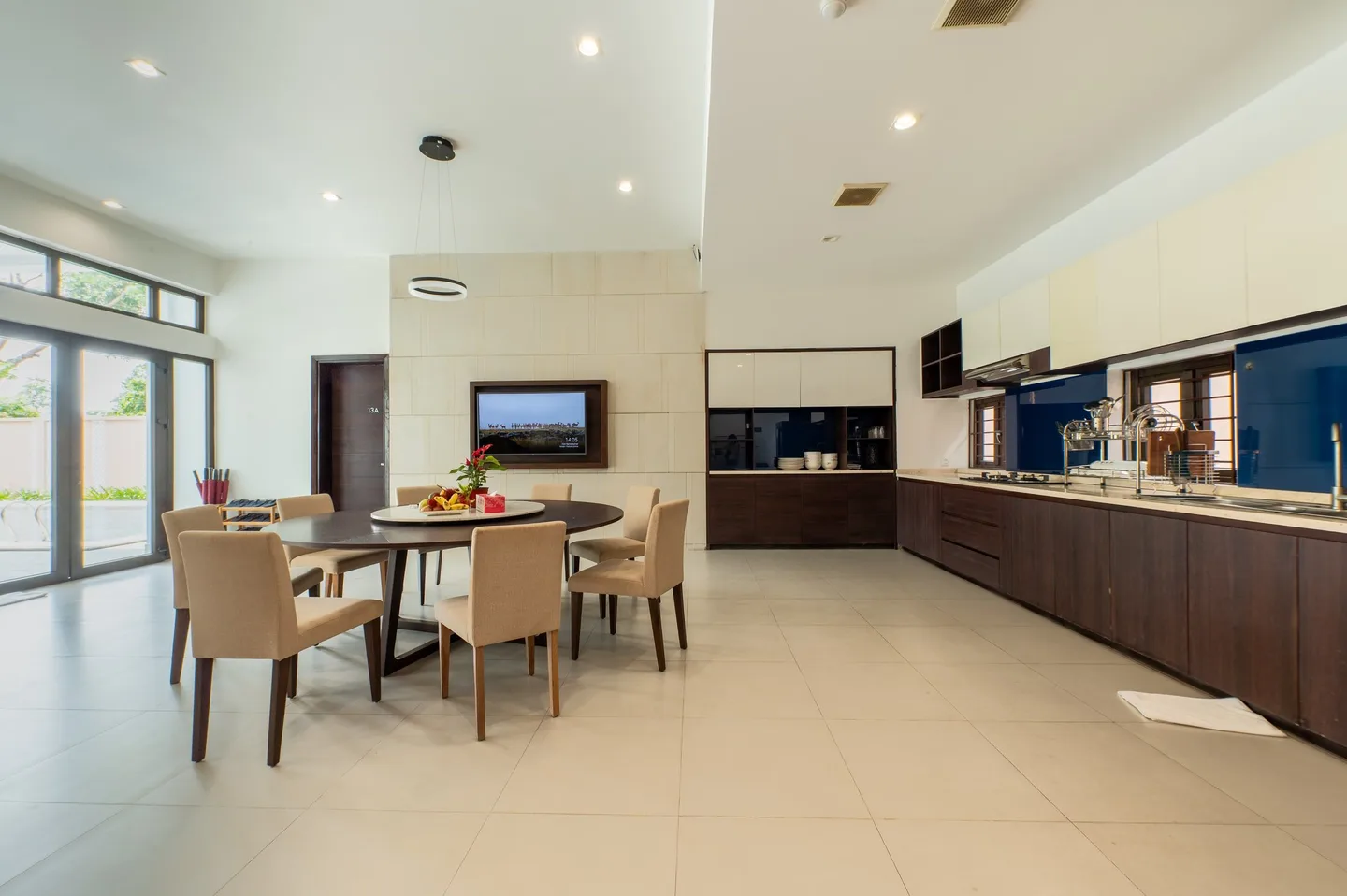
Plan photography around the offer that will actually be available
List the spaces, products and service moments needed for the essential assets. Confirm what will be ready to photograph and who can approve it. An unfinished space, undecided menu or changing room category can affect both production and the pages waiting for those images.
The food photograph below shows a complete plated presentation from above. It can support a discussion about menu readability or a product-led composition, but the dish name, current availability and place in a launch need confirmation. A finished photograph alone does not establish that the offer is approved for sale.
Bring the actual website and campaign layouts to the shoot brief. A wide opening image, a vertical placement and a detailed product view may need different compositions. Name film, sound, styling, talent or aerial requirements separately where wanted. They should not become assumed inclusions because a reference contains them.

Build approval decisions into the launch sequence
Name one approval lead and the people responsible for business facts, translations, locations, accounts and supplier coordination. Agree when positioning, creative direction, copy and final assets need decisions. Conflicting comments from several stakeholders need resolution before they become instructions to the production team.
Work backwards from the target using real dependencies. A shoot may need a prepared room; a page may need selected photographs; a printed item may need a supplier proof. Record what can proceed provisionally and what must wait. If a prerequisite changes, review its effect on scope and timing instead of hiding it inside the original date.
A small set of priority materials can be a sensible first phase if it supports the actual customer journey. Ask which items can follow later without making the launch misleading or unusable. The number of concepts, review rounds, pages and assets should be explicit in the proposal rather than inferred from the word launch.
- One person consolidates creative feedback and final decisions.
- Business facts and each language have named reviewers.
- Access, preparation and supplier specifications have owners.
- Dependencies and review windows are recorded beside the target dates.
- Changes to an approved stage trigger a scope and timing discussion.
Test the customer action and assign ownership after handover
Check the journey your launch asks people to follow. A reservation or inquiry route should work from the relevant page on a phone, with the request reaching the agreed destination. Confirm who responds and where current offer information is maintained. A finished visual presentation is only part of a usable launch.
Agree which final exports, editable assets, templates, guidelines and account access are delivered. Identify third-party licences and who holds them. Keep approved versions organised so staff and suppliers can use the correct material, and decide who maintains content when the offer changes.
The balcony photograph below is a separate property example, not a verified room connected to the restaurant images. It illustrates why an image needs an accurate label and destination in a library. The same principle applies to launch files: context should travel with the asset rather than depend on the original project team remembering it.

Send a brief that distinguishes readiness from commercial results
For the first conversation, send the information below and mark open decisions. State the business objective and how you will judge whether the work is ready: approved applications, accurate content, usable files and a working customer route. Those acceptance checks are different from proving that the launch increased inquiries or bookings.
If commercial measurement is part of the project, agree the baseline, reporting period and responsibility before release. Rates, availability, promotion and operations can all affect the result. Once the launch scope is clear, use the companion production guide to decide what should be refreshed later instead of assuming a continuing package is part of the launch.
- Business, offer, audience and intended customer action.
- Decisions already made and the questions still open.
- Existing identity, content, research and usable assets.
- Essential launch touchpoints and later-phase requests.
- Target dates, readiness dependencies and supplier contacts.
- Approval lead, language reviewers and factual owners.
- Budget guidance, handover needs and any measurement requirement.
Research and references
Reference titles are shown in their original language.
- Existing brand strategy and identity scope
- Existing website and integration scope
- Existing commercial production and delivery scope
- Labbrand: first-party Phu Quoc launch strategy example
- PORTFO: qualitative comparison of project and recurring production intent
- Google Search Central: useful content and freshness assumptions