
How to Prepare Your Restaurant for a Photo and Video Shoot
Coordinate the kitchen, dining areas, participating people and approval process so the agreed shot list can work within the restaurant’s day.
A good shot list can still become difficult to deliver if every dish arrives at once, the chosen table is needed for guests or nobody can approve a change. Preparation connects the creative brief to the restaurant’s actual kitchen, spaces and working team.
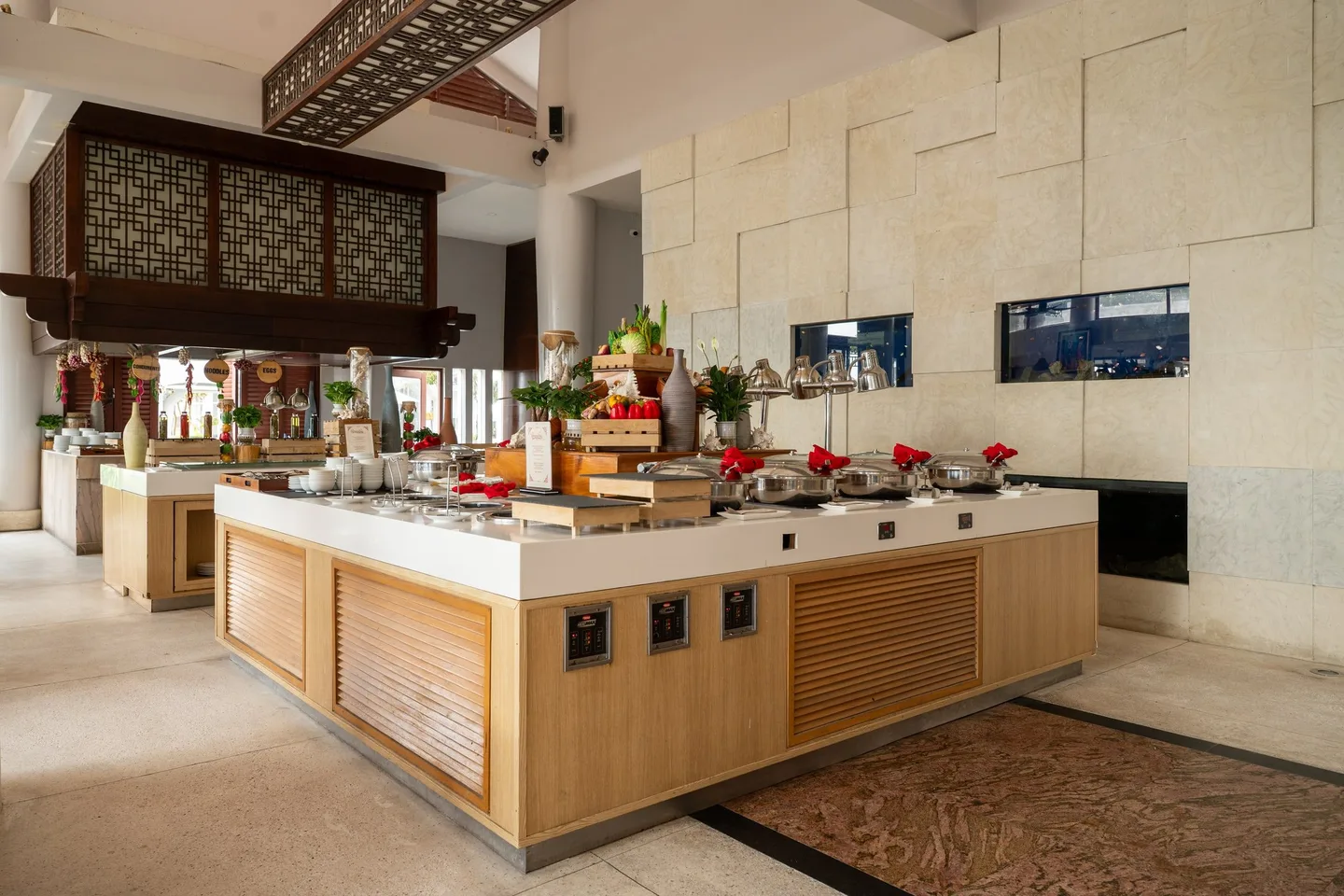
Start with an agreed scope, then identify what must be ready and who owns each decision. A separate buffet interior and selected Waterfront food photographs illustrate visible checks. These examples are not identified as one venue, production order or staffing arrangement.
Explore our business services and use these guides to prepare your project brief.
Keep one current plan with clear decision owners
Bring the approved shot list, operating constraints and deliverable requirements into one current version. Name a restaurant contact who can answer practical questions on the day and an approval lead who can consolidate feedback afterwards. These can be different people, but each should know the limits of their role.
Agree which changes need approval before work continues. A different plate, missing ingredient, unavailable room or additional video request can affect the image, timing or scope. Record the decision in the shared plan so that the kitchen and production team do not act on separate instructions.
Check readiness by subject, not with one general tidy-up
Walk through the places in the actual shot list. The buffet hero includes serving dishes, cups, surfaces, food displays and decorative screens. Preparing only one plate would leave much of that frame unchecked. Look at the edges and background as well as the main subject.
Use the readiness table to assign people and identify unresolved work. The roles are examples to discuss with your team, not a promise that the photographer provides cleaning, styling, kitchen preparation or venue management. Avoid removing permanent details that a guest would reasonably expect to see when visiting.
Swipe horizontally to see all columns.
| Subject | Check before it is called ready | Possible decision owner |
|---|---|---|
| Menu dish | Current recipe, normal portion, serving plate, accompaniments and accurate name. | Chef or authorised food lead. |
| Table scene | Clean glassware and cutlery, linen, menus, place settings and any visible labels. | Restaurant floor lead. |
| Dining room or terrace | Furniture positions, surfaces, windows, signs and background activity. | Venue contact. |
| People or service action | Who participates, intended use, appearance and a workable task. | Restaurant coordinator. |
| Capture and review | Agreed framing, permissions, decision-maker and any required layout reference. | Production team and client approval lead. |
Coordinate the kitchen with the camera-ready moment
Discuss a workable dish sequence with the chef and photographer. Preparation times differ, and some finishes change quickly after plating. The useful handoff is the point when the camera position, surface and plate are ready, rather than simply a request to cook everything at the start of production.
Identify which dishes share preparation or equipment and which need their final garnish or sauce close to capture. Agree who communicates that a setup is ready and who can authorise a remake. The chef remains responsible for the restaurant’s food-handling procedures; a photography plan should fit around those procedures.
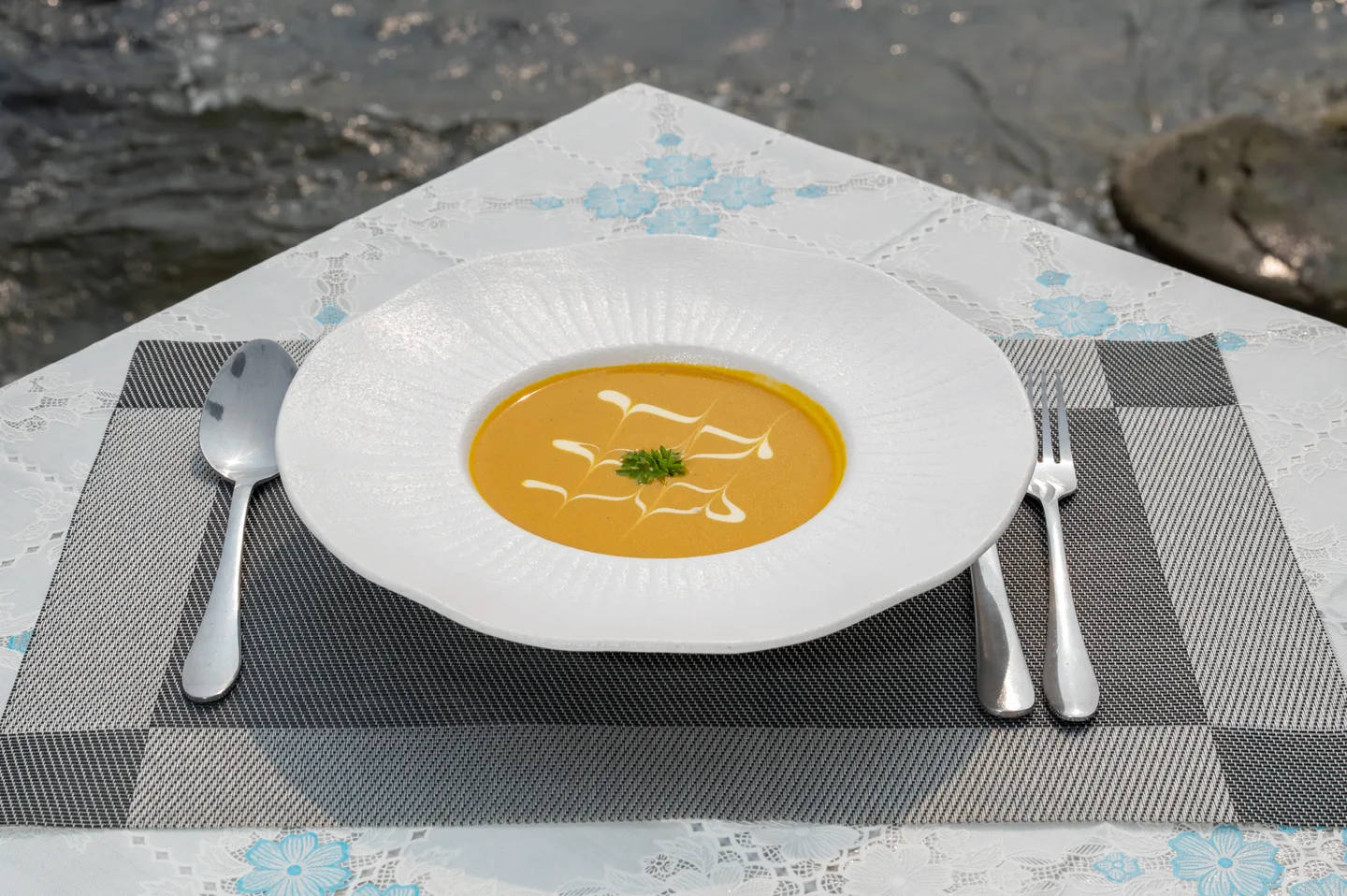
The soup photograph below has a clear surface pattern, a central garnish and a wide white rim. Those visible details make it a useful preparation example: the food lead should confirm the intended finish, and the team should inspect the rim and surrounding setting before shooting. The image does not tell us when it was plated or how long the setup took.
Confirm presentation and factual details before moving on
Choose a reference for each priority dish that the kitchen can reproduce as its normal offer. Check the portion, plate, sauce and accompaniments against the approved brief. If an ingredient or presentation changes, decide whether to adapt the shot, hold it for another date or remove it from the delivery list.
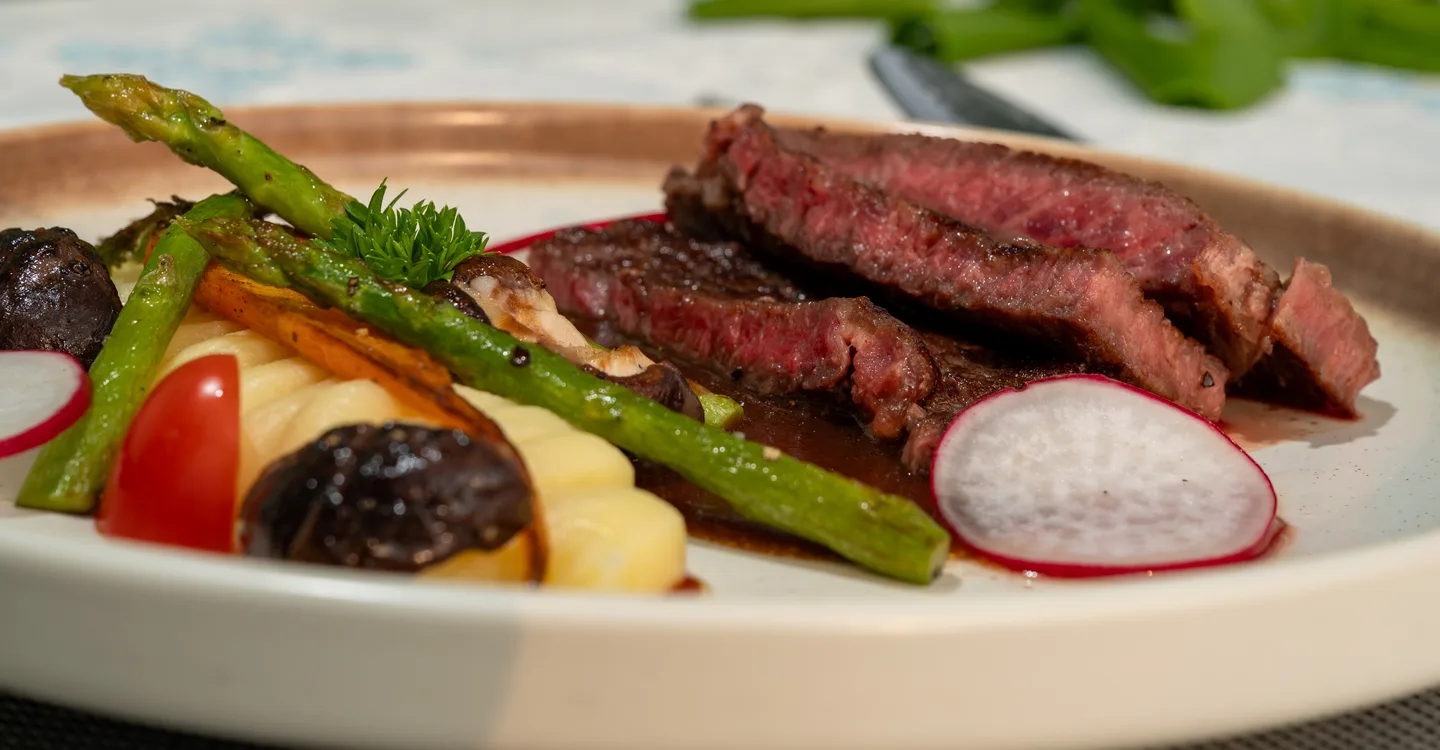
In the close steak detail below, the cut surface and vegetables are prominent. A food lead should decide whether the visible presentation represents the dish the restaurant intends to serve. The photographer can review framing and light, but the restaurant should approve menu names and food descriptions before they become filenames, captions or website copy.
Plan room, table and exterior coverage around operations
Confirm when each space can be available, how equipment will reach it and which routes staff and guests still need to use. A dining room ready for a wide photograph may have different access needs from one reserved table. Tell the crew about bookings, deliveries, cleaning and other activities that could affect the agreed areas.
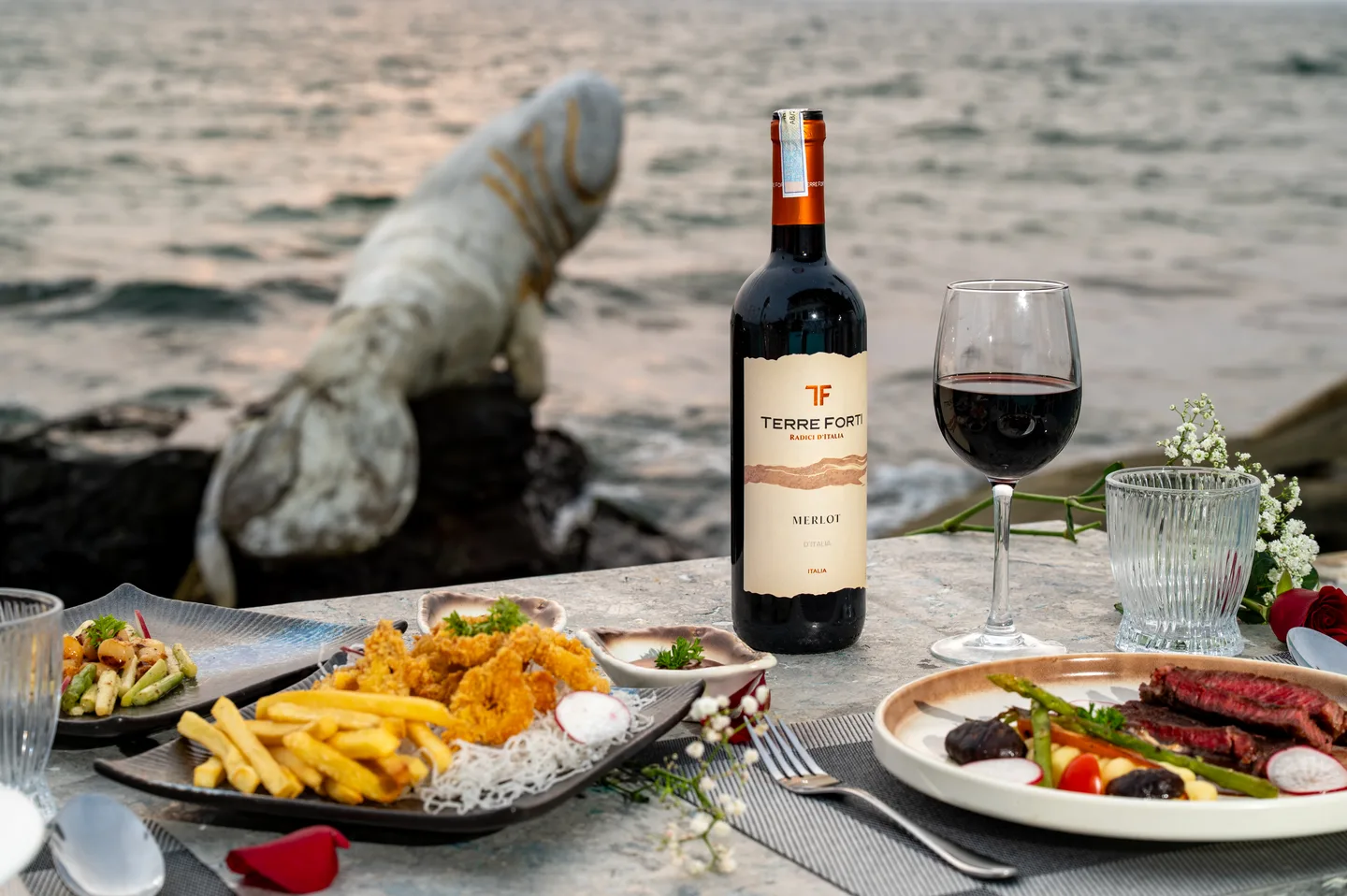
A shared table scene also needs coordination between kitchen output and the prepared setting. In the photograph below, food, a bottle, glasses and flowers all contribute to the composition. Check that the combination represents the intended offer and that branded items belong in the image. Do not assume a shared table arrangement is sold as a set menu unless the restaurant confirms that fact.
For a seafront terrace, discuss wind, changing light and a practical alternative before the day. Record which subjects can move or change order and which depend on the outdoor setting. Confirm any effect on access, timing or cost rather than treating an alternative location as automatically included.
Brief participating people and define any filming separately
If staff, talent or guests will be identifiable, agree the participation and intended use in advance, along with who obtains and records the necessary permissions. Explain the action and when the person is needed. Do not rely on customers in the background to create an atmosphere that has not been arranged for the shoot.
Video preparation goes beyond having a dish ready. A preparation sequence may require a repeatable action, a suitable place for the camera and an agreed order of steps. If someone will speak, discuss language, key points and sound conditions. Ask who provides styling, props, talent and any additional crew before assuming those are included.
Use small approval checks to prevent avoidable rework
Agree what the restaurant lead needs to check when the first setup is shown: the correct dish, expected presentation, visible branding and the intended composition. For a website or menu layout, refer back to the actual design so that a beautiful frame does not leave the wrong space for a heading or crop away an essential detail.
Keep feedback with the nominated lead. Distinguish a factual correction from a new creative direction or an additional shot, then ask how a change affects the remaining work. An on-set check helps identify issues while the subject is available; it is not a promise of final colour, retouching or unlimited variations during production.
- Correct dish and usual presentation.
- Approved plate, garnish and accompaniments.
- Clean visible surfaces, cutlery and glassware.
- Background, signs and labels checked against the brief.
- Framing and orientation appropriate to the planned layout.
- Any change recorded, with a named person approving it.
Prepare the review and handover before the crew leaves
Confirm how selection and feedback will be shared, who checks food names and factual captions, and who approves the finished files. Consolidate feedback in the agreed place and distinguish required exports from optional later versions. The proposal should establish delivery milestones, editing scope and review rounds rather than leave them to assumptions after production.
Identify where the files will be stored and who will supply them to the menu designer, website team or channel manager. Check the agreed commercial usage and keep any third-party conditions with the assets. If you also need publishing, advertising or campaign measurement, discuss that work separately from producing the photographs and film.
For the first inquiry, share the operating window, priority subjects and anything still unready. A useful conversation can start while you are deciding the final route through the restaurant. Clear constraints help the team scope the work; they do not require you to solve every production detail alone.
Research and references
Reference titles are shown in their original language.
- Existing media production service: scope, responsibilities and delivery
- Existing Waterfront project: food photography within a wider restaurant project
- Google Business Profile: food, interior and exterior photo guidance
- Photographer preparation guide: qualitative comparison of working-restaurant concerns
- Food photographer planning guide: qualitative briefing comparison
- Vietnamese Phu Quoc menu photography service: local commercial search intent