
One-Off Content Shoot or Ongoing Production for Your Phu Quoc Business?
Choose the arrangement around what is missing, how often the offer changes and your team’s ability to approve and use the finished work.
A new opening may need a substantial first library. An established restaurant may only need a changed menu photographed. Another business may have a sequence of real updates that cannot sensibly be captured in one visit. The right production arrangement depends on those needs, not on assuming that more shoots or more posts are always better.
Use this guide to compare a defined project, later refreshes and a possible ongoing arrangement. The real photographs illustrate rooms, food and a seasonal setting. They are not a verified recurring client programme, before-and-after sequence or evidence that production frequency increased bookings.
Explore our business services and use these guides to prepare your project brief.
Audit what you already have and where it is being used
Start with the existing library and the pages, listings, sales material and campaigns it supports. Mark what is accurate and usable, what needs another version, what is missing and what should no longer be shown. A folder with many files can still lack the room category, dish or service view that a customer needs.
Separate capture gaps from publishing gaps. If a suitable photograph exists but staff cannot find it or the page still uses an old version, another shoot may not solve the problem. Naming, category labels, permissions and a clear content owner can be the more immediate task.
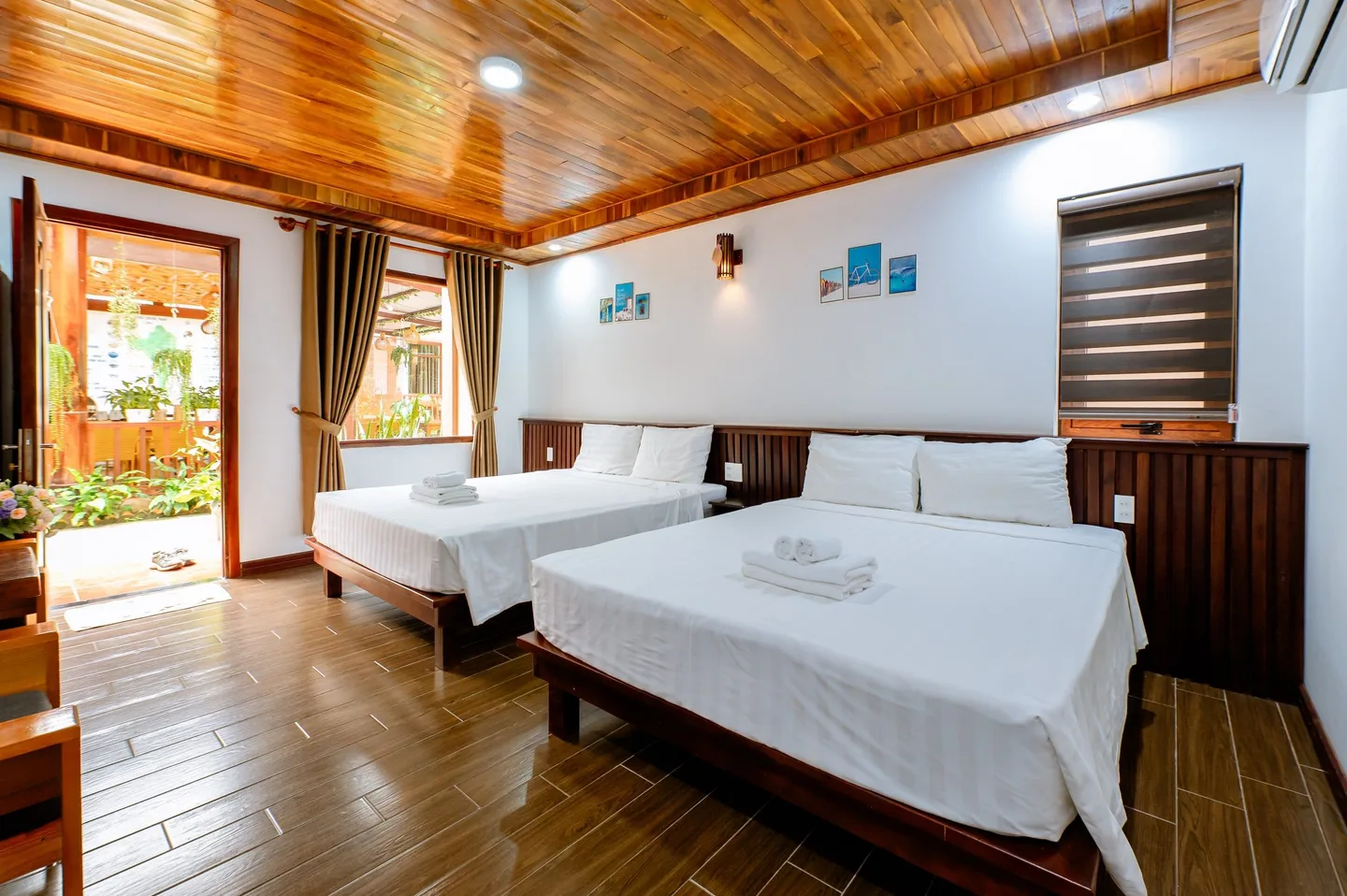
The opening twin-room photograph shows an interior and its connection to a planted veranda. Property, category and current appearance still need confirmation for a specific offer. It does not establish a renovation or repeat-production history. Use verified business information to decide whether an asset needs replacing.
Use a defined project when the need and subjects are ready
A one-off production can suit a specific launch, a completed space, a menu refresh or a planned campaign. It works best when you can identify the essential subjects, destinations and finished outputs, and when the property or team can prepare them for an agreed production window.
Define the selection, film edits if required, orientations, editing, review and delivery. Include access, talent, styling or other supplier requirements where needed. One shoot can support several uses when those uses are planned, but that does not mean every scene will produce every format or that every camera file will be delivered.
A defined assignment can also be a first step when the longer-term need is uncertain. Review what was delivered, what the team actually used and what remains missing before discussing another commission. That is a learning decision, not a promise of a trial package or an obligation to continue.
Consider repeat production when there are real changes to capture
List the changes expected over the coming period: new dishes, completed rooms, service activity, an opening phase or a specific campaign. Ask whether they can be prepared together or become available at different times. Those dependencies provide a stronger basis for repeat work than a general desire for more content.
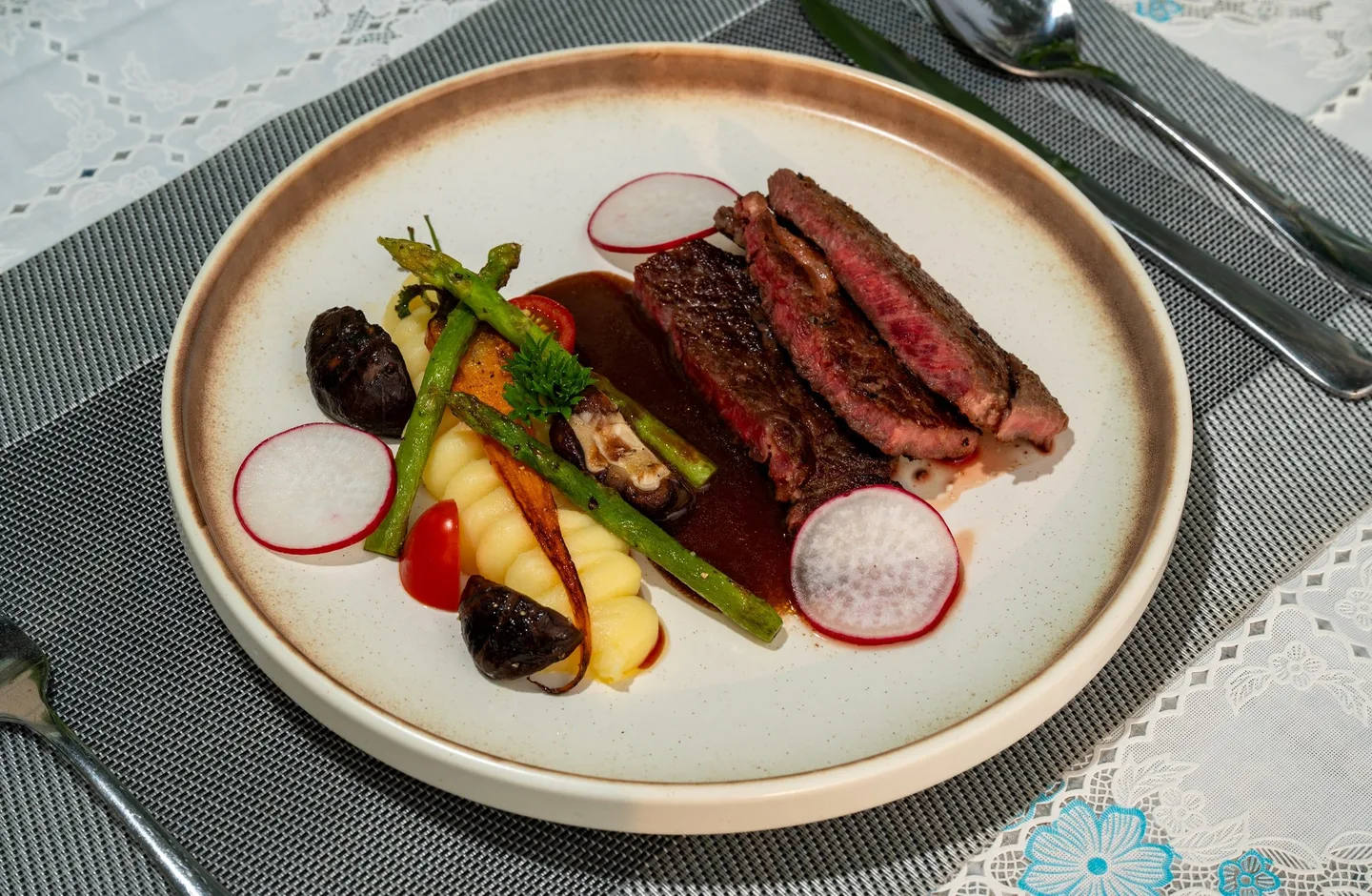
The plated food image below illustrates an item that should match the current offer and presentation. It does not establish that the dish changes regularly or that the restaurant commissions recurring shoots. Your menu and publishing plan should determine the need for a refresh, with the relevant facts approved by the business.
Repeat production may also need consistency across visits: the same room labels, image direction, file organisation and approval criteria. Agree how the next brief builds on the existing library. New work should fill a useful gap or reflect a real change rather than repeatedly produce similar frames without a destination.
Compare the work pattern before comparing package labels
The choices are not limited to one large shoot or a fixed monthly commitment. You can discuss a defined project, separately commissioned refreshes or an ongoing arrangement with a clear review process. The best fit depends on readiness, access, the work required and how the finished material will be used.
Use the comparison to identify the planning question for your business. It is not a menu of standard packages, reserved capacity or guaranteed savings. Pricing, timing and any continuing commitment need an explicit proposal based on the work you can describe.
Swipe horizontally to see all columns.
| Arrangement to discuss | Useful when | Question to resolve |
|---|---|---|
| Defined one-off project | The essential subjects and outputs are known and can be prepared together. | What complete scope must this assignment deliver? |
| Separate refresh commissions | Changes occur at identifiable but uneven points. | What event triggers the next brief and who requests it? |
| Ongoing production arrangement | A continuing set of real needs can be prepared, reviewed and used. | What work, access, capacity and commitment would actually be agreed? |
| Library organisation first | Usable assets exist but labels, rights or distribution are unclear. | Can the current content solve the need before new capture is commissioned? |
Set refresh triggers instead of replacing everything on a calendar
Identify what would make a photograph or film misleading, incomplete or unsuitable. A changed room layout, a removed dish, expired usage permission or a placement needing a different composition can each create a specific task. Record the trigger, the affected asset and the person who can confirm the change.
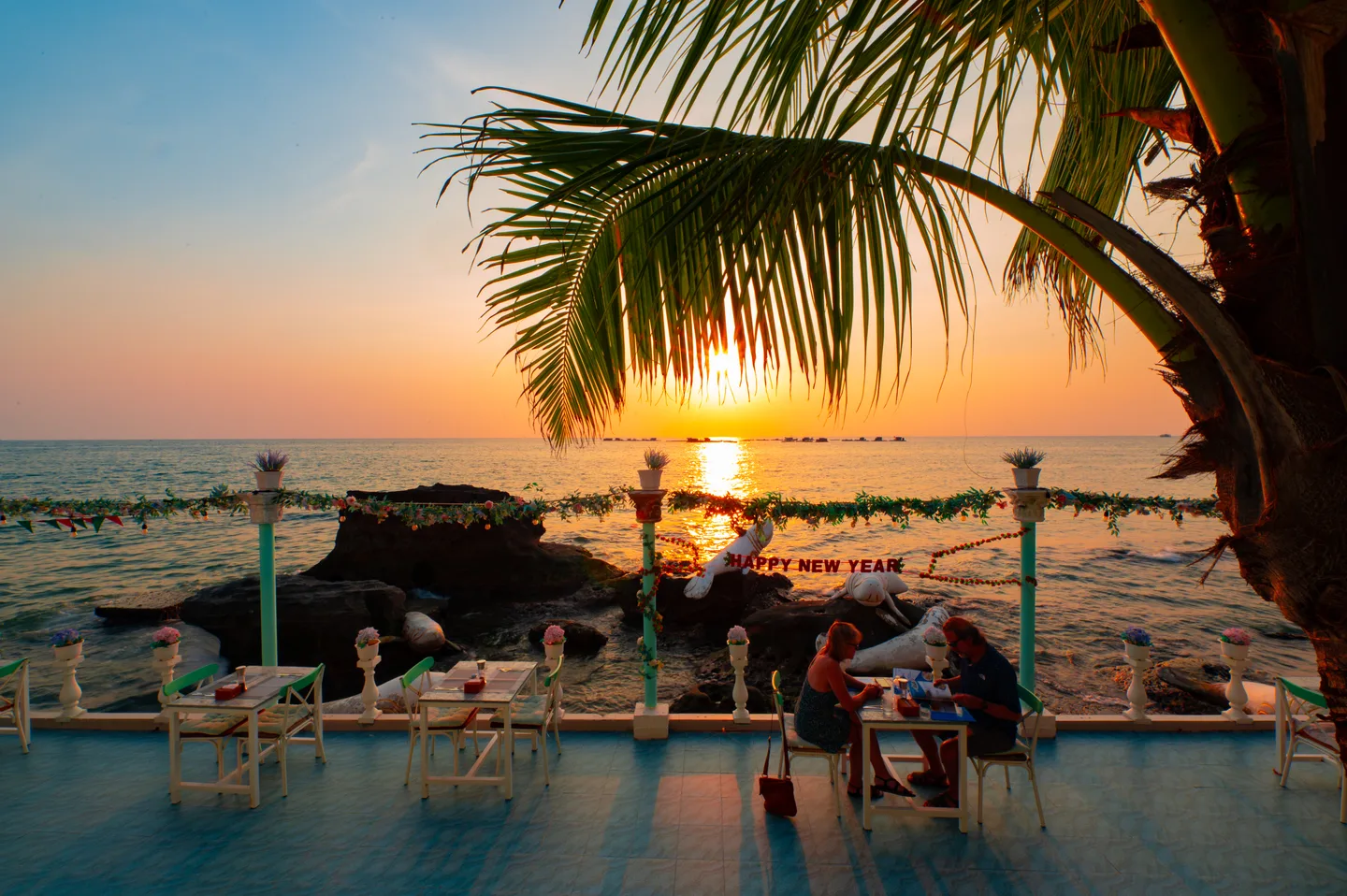
The terrace photograph below contains New Year decoration and identifiable diners. That makes context and permissions material to reuse. It should not silently become a current evergreen image of an undecorated venue, and the image alone cannot establish the year, a live promotion or an annual production agreement.
For website editorial work, Google advises creating useful content rather than adding material merely to make a site seem fresh. Treat production and publishing decisions in the same practical way: what does the customer need, what has changed and what evidence can you add? A busier calendar alone is not evidence of SEO or booking improvement.
| Trigger | Review action |
|---|---|
| The offer or space changes | Find affected pages and assets, then verify what needs replacing. |
| A new customer question appears | Check whether existing material answers it before adding another scene. |
| A campaign needs another format | Assess the current master and framing before deciding on a new capture. |
| Seasonal details or permissions matter | Check context, dates and allowed use before reusing the asset. |
| Content is unused or hard to find | Review the handover, labels, publication responsibility and real need. |
Match the production rhythm to access and approval capacity
Name who prepares spaces or products, approves facts and consolidates feedback. Consider how often that team can do the work without disrupting service. An operating property may have limited room access, and a restaurant may need kitchen coordination. A continuing arrangement still needs a usable brief and preparation for each agreed production window.
Separate making assets from managing channels. Photography and film delivery do not automatically include copywriting, translation, posting, advertising, account management or performance reporting. Identify those responsibilities before choosing a rhythm so completed content does not wait unused while everyone assumes another team will publish it.
If a repeat arrangement is proposed, ask how work is requested and approved, what capacity is committed, what happens when access fails and how changes or unused allocation are handled. Clarify review points, renewal and ending terms in the proposal. No standard retainer or permanently available crew is established by this guide.
Keep the library usable and measure the result separately
Agree names, categories, final versions, permissions and delivery locations across assignments. Keep superseded assets distinguishable from current ones so a new photograph does not leave the old offer scattered across live pages. Define what archive or re-download access is available and keep your own backups within the agreed window.
The coastal venue image below is another type of asset in a commercial library. Reusing it for an agreed purpose may be appropriate if it remains accurate and permitted. Its presence here does not show multiple commissioned visits or a recurring production result. New capture should have a reason beyond the age of the file.
Assess delivery and use before attributing commercial performance. Which gaps were filled, which assets were published, and which customer questions can now be answered? Inquiry or booking changes need a baseline, a stated period and reliable business records. Seasonality, offer changes and promotion can affect the result alongside production.

Send the gap, expected changes and review capacity with your inquiry
You do not need to decide on an ongoing arrangement before contacting the team. Share the current library, priority channels, missing material, likely business changes and possible access windows. Explain who can prepare, approve and publish the work, along with budget guidance and any fixed launch or campaign date.
Ask for the first scope to make its outputs, responsibilities, usage, review and delivery clear. If there is a continuing need, discuss how it will be assessed before another commitment is made. A defined launch can lead to later refreshes, but the connection should follow evidence of what the business needs rather than an assumed recurring package.
- Current assets and where they are used.
- Missing, inaccurate or unsuitable content.
- Expected offer changes and readiness dates.
- Photo, film and required channel versions.
- Access, preparation, approval and publishing owners.
- Budget guidance, deadlines and proposed review points.
- Questions about usage, delivery and any continuing commitment.
Research and references
Reference titles are shown in their original language.
- Existing brand strategy and identity scope
- Existing website and integration scope
- Existing commercial production and delivery scope
- Labbrand: first-party Phu Quoc launch strategy example
- PORTFO: qualitative comparison of project and recurring production intent
- Google Search Central: useful content and freshness assumptions