
Planning a Family Photoshoot in Phu Quoc: Children, Locations and Timing
Build a manageable plan around the people coming with you, from a small family portrait to photographs with several generations.
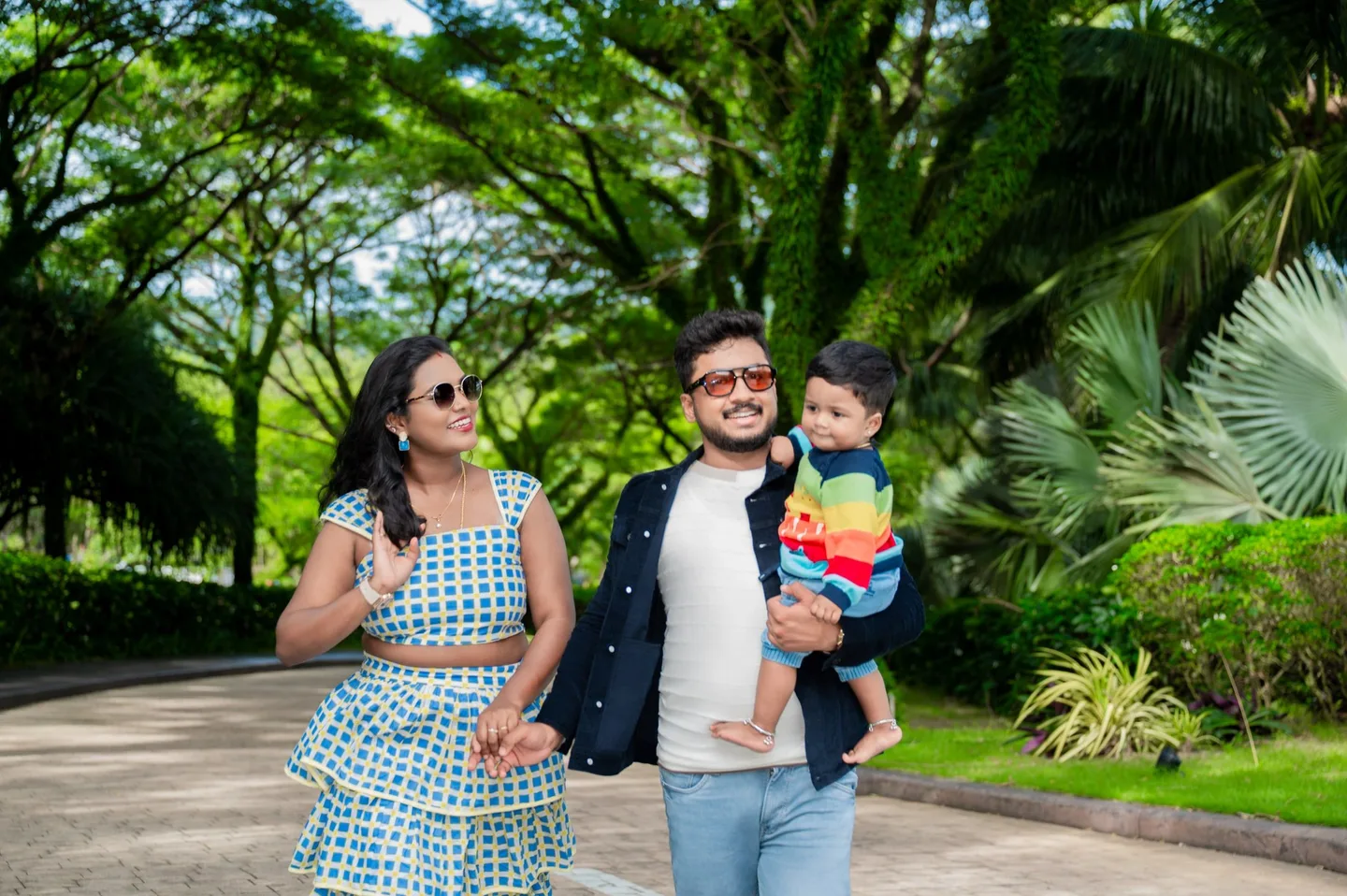
Organizing family photographs often falls to the same person organizing the rest of the trip. You may be thinking about children’s rest times, grandparents, clothes, transport and whether anyone will enjoy being in front of the camera. The best starting point is to make those needs visible before choosing a location.
A family session does not need to include every possible photograph or every attractive place on the island. Decide who is joining, what matters most and what your group can comfortably manage. The photographs below show different family arrangements from our library; they are examples for planning, not a single documented session.
Ready to compare the work and session options? Explore our Phu Quoc photographer page, then use this guide to prepare your questions.
Describe your family before choosing the route
Send the number of people and explain how the group is made up. A family travelling with one child has different coordination needs from several households meeting for a holiday. Tell the photographer if there are children, older relatives or anyone who needs a shorter walk or an easier meeting point.
Include children’s ages and the routines that affect the day. A familiar rest time, a long excursion earlier in the day or an evening commitment can change what feels manageable. You do not need to predict every reaction; useful information is whatever helps the team avoid planning around an unrealistic timetable.
For a larger group, name one person who can help identify people and gather the requested combinations. That person should know the priorities without having to organize every expression or pose.
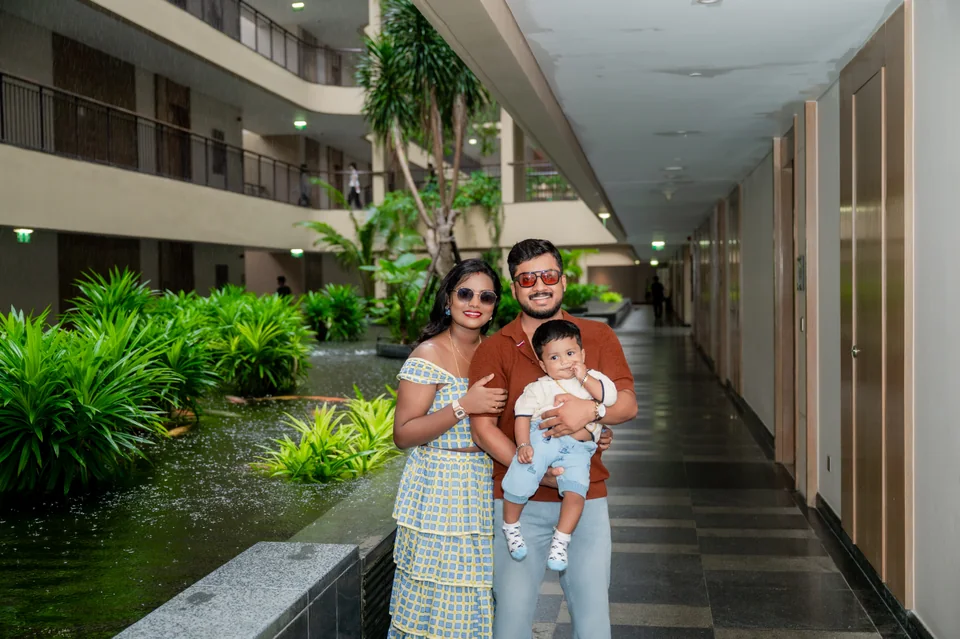
Choose timing around people as well as light
A photograph with warm evening light can be appealing, but it is not a reason to ignore your family’s routine. Discuss the light together with rest, food, travel and the time needed to get everyone ready. Ask the photographer to explain the trade-offs for the setting you are considering.
Keep a practical buffer for leaving your accommodation and reaching the meeting point. If the plan involves different areas, establish how travel and breaks fit within the agreed time. Avoid assuming that a short distance on a map means an easy transfer with the whole family.
Tell the team which parts of the itinerary can move. That information is also useful if conditions require another time or setting. No plan should depend on reproducing the exact sky or water in a reference photograph.
Compare settings by how they work for your group
A beach can offer space for a walking photograph and a wider view of the surroundings. Consider the path to the meeting point, the walking surface and whether your group wants to remain on the sand. Photographs at the shoreline do not require planning a water activity.
A setting at your accommodation may reduce travel, but outside photography and particular spaces still need permission. A town setting may offer architecture and colour, while adding walking and activity around you. Start with the atmosphere you like, then check whether the practical details fit.
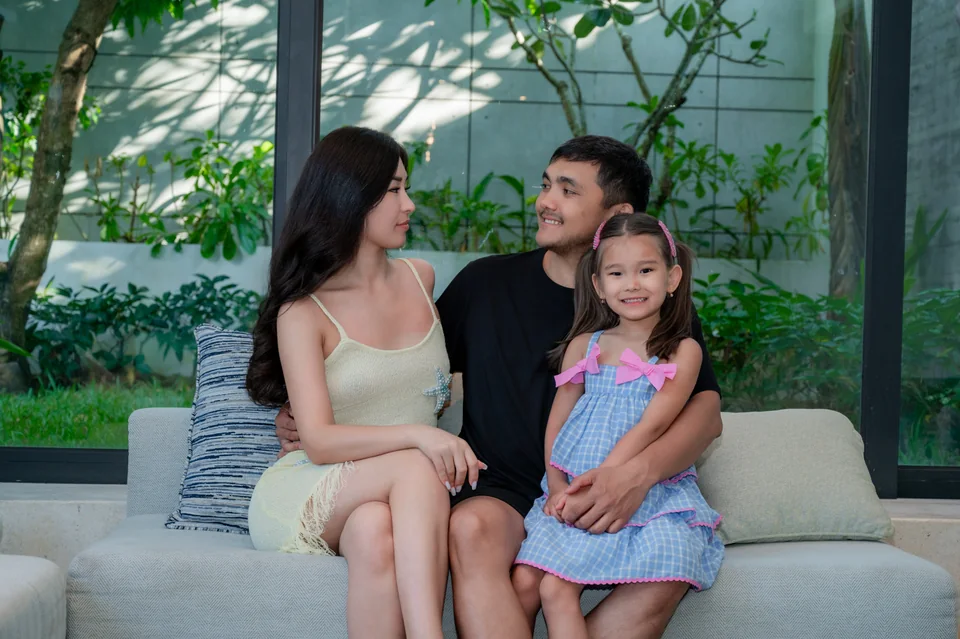
The lounge photograph below illustrates a seated group composition. It does not establish that this location is available to book or that an indoor backup is included. Ask about actual access and any alternative setting before relying on it.
Choose the combinations you would most regret missing
Begin with one clear photograph of everyone who should be included. Then select the smaller combinations that matter to your family, rather than working through every possible pairing. Share the list before the session so the photographer can discuss a realistic order.
The example below is a planning aid, not a promised shot count. Adapt it to the people present and put the most important combinations first. Different households may have different priorities; agree them before the day instead of discovering competing lists during the session.
Swipe horizontally to see all columns.
| Priority | Possible photograph | Planning note |
|---|---|---|
| First | Everyone together | Choose an accessible place where the full group can gather. |
| Next | Each household or smaller family | Agree which groups are needed and who can help gather them. |
| Selected relationships | Children with parents or older relatives | Choose meaningful combinations rather than every possible pairing. |
| If time and comfort allow | Individual portraits and less directed moments | Keep these flexible around the group and the agreed session. |
Prepare for movement, not only matching clothes
Try sitting, walking and helping a child in the clothes you plan to wear. Coordinate broad colours if you like, while allowing each person an outfit they can comfortably move in. Detailed colour, print and footwear choices belong in the companion clothing guide.
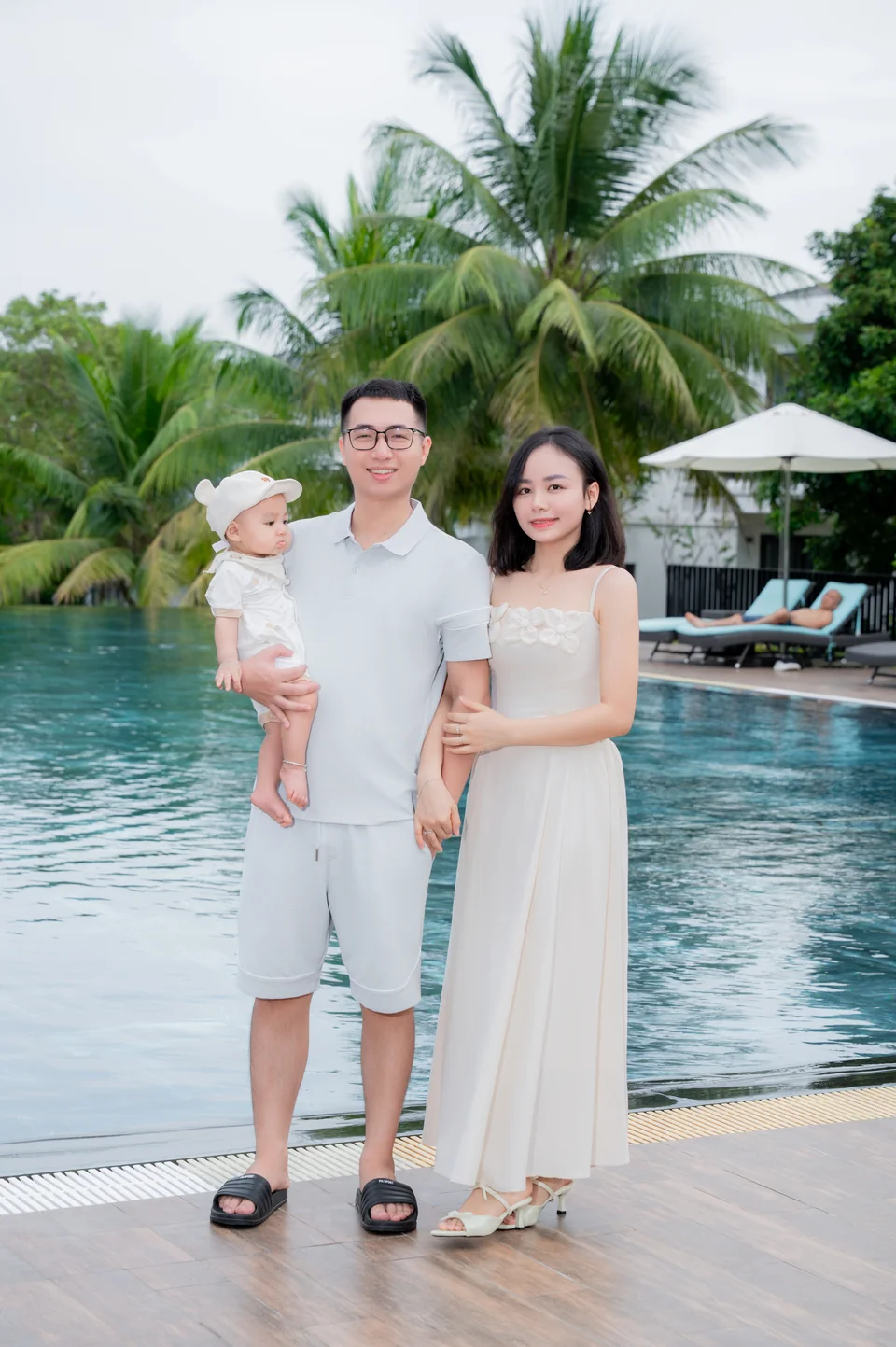
The white-clothing portrait illustrates one visual choice, not a dress rule. Discuss outfit changes and carry only the familiar essentials your family needs. Keep the preparation centred on participation and a manageable pace.
Leave room for a change of pace
Tell the photographer what helps your children feel comfortable and whether anyone prefers fewer directed photographs. Simple activities and familiar interaction may be easier to begin with than asking everyone to hold a pose. The team still needs your feedback if something is not working for your family.
A parent or responsible adult remains with children and supervises them throughout. Photography is not childcare. If someone needs a break, communicate it and discuss how to use the remaining time around the photographs you have prioritized.
Do not judge the whole experience from one smiling frame. The useful discussion is how your family can participate comfortably and which photographs matter most if the plan needs to become simpler. Ask the photographer about their approach before booking rather than expecting guaranteed reactions from children.
Agree participation and sharing with the people in the photographs
Tell the photographer if a family member wants fewer directed pictures or prefers not to appear. If a child or another participant becomes uncomfortable, communicate it and discuss a pause or a simpler arrangement. The useful plan is one the people present can take part in willingly, with supervision remaining with the agreed adult.
Decide who will receive the finished files and discuss personal sharing within the family. Public use in a portfolio, venue promotion or editorial article is a separate decision. Agree the relevant adult and guardian permissions rather than assuming that the person organising the holiday can approve publicity for everyone.
Turn the preparation into a clear inquiry
Send your travel dates, accommodation area, group details and priority photographs. Mention fixed commitments and whether your preferred date can move. If you have not chosen a setting, explain how much travel or walking feels reasonable and ask for help deciding.
The written session details should establish duration, the edited selection, delivery and price before booking. Read the booking terms alongside the plan, including changes and the weather arrangement. The holiday booking guide explains what to compare in the offer.
- Who is joining, including children’s ages and relevant access needs.
- Your travel window, preferred date and flexibility.
- Accommodation area and a manageable travel distance.
- The group combinations you care about most.
- Any reference photographs and what you like about them.
Try the decision with a planning example
Imagine grandparents, two parents and a young child joining together. One complete group portrait may matter more than a long walk. Discuss whether to begin with everyone, then release anyone who needs rest while smaller combinations continue. That order is a question for the family, not a rule. Agree who supervises the child while adults change position, and do not turn the photographer into the only person responsible for care.
| Choice | Useful question |
|---|---|
| All together | Who needs a seated or shorter arrangement? |
| Smaller combinations | Who gathers the next group? |
| A pause | Which priority stays if time becomes shorter? |
Research and references
Reference titles are shown in their original language.