
Planning a Surprise Proposal in Phu Quoc: A Photography Checklist
Prepare the contact method, arrival, photographer position and alternative plan so that a meaningful surprise has fewer decisions left to the last minute.
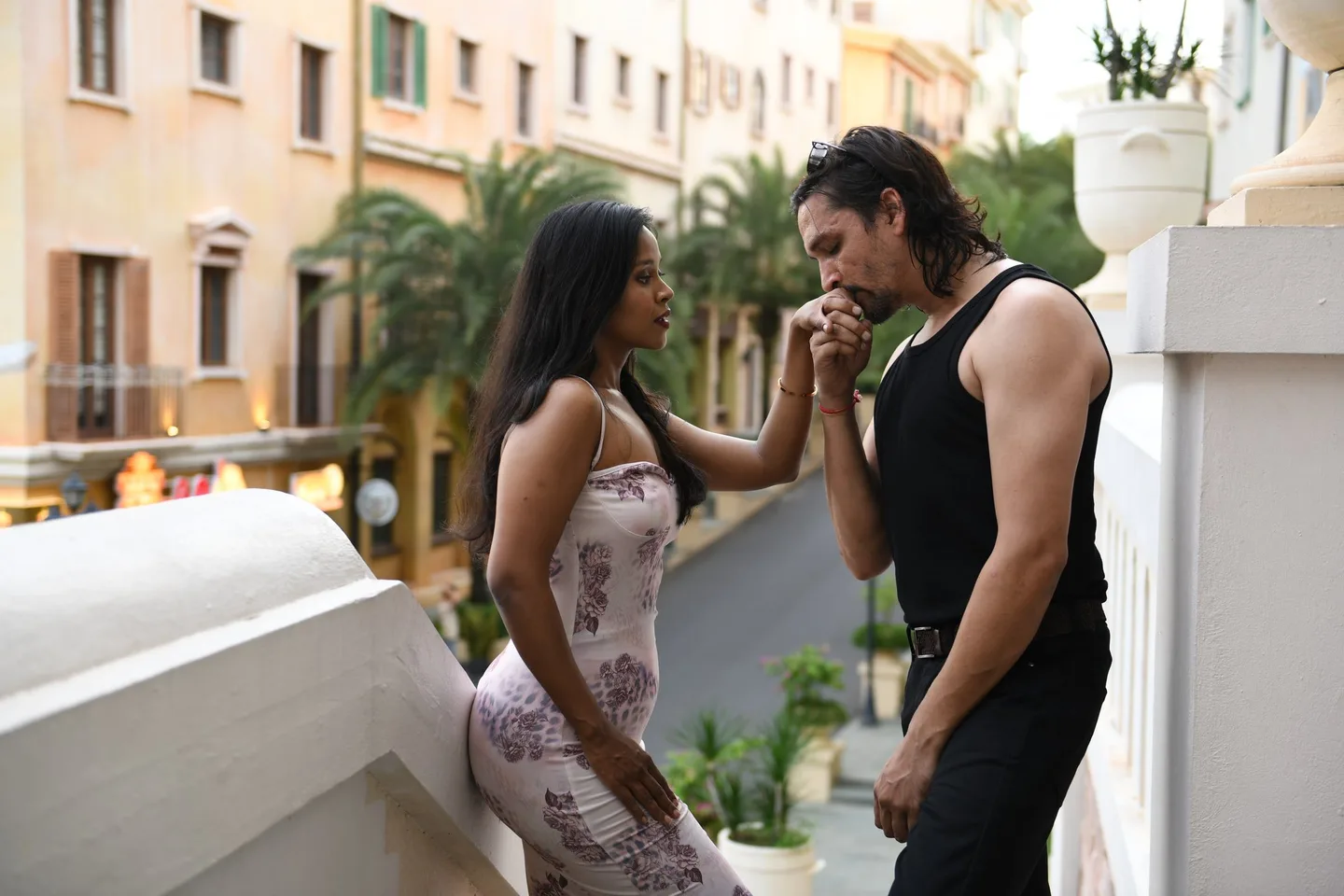
The photograph you hope for may happen in a few seconds. The useful preparation happens earlier: choosing where you will arrive, how the photographer will recognise you and what each person will do if the original plan changes. A simple plan gives you fewer instructions to remember while something personal is happening.
Use this checklist to prepare a photography brief, whether your idea is a walk on the beach, a moment during a resort stay or an architectural setting. The photographs are real couple portraits from our image library. They illustrate possible settings and framing; they do not document a verified surprise proposal.
Ready to compare the work and session options? Explore our Phu Quoc photographer page, then use this guide to prepare your questions.
Start with a contact method that keeps the surprise
Choose an email address or messaging account you can use privately, and say when calls or messages are welcome. Shared devices, notification previews and a booking email left open can reveal the plan before the day. Tell the team which channel to use and whether a neutral message is preferable when you are together.
Give the essentials first: your travel window, accommodation area, preferred date, whether it is a surprise and the kind of setting you have in mind. Keep the wording of your proposal and other sensitive personal details out of a general inquiry form. Those details are rarely needed to establish availability and discuss the photography.
Choose a setting your partner would enjoy
Start with your partner’s comfort. Someone who dislikes public attention may prefer a quieter-feeling setting to a busy landmark, even when the landmark looks striking in photographs. Discuss how visible the camera might be and how much walking the route requires. Discreet coordination cannot guarantee that a photographer will go unnoticed.
The opening balcony portrait feels close through framing and interaction. That does not establish exclusive access or privacy for a surprise. Discuss the arrival point, other visitors, footwear and a position that works without asking strangers to move. If privacy is essential, choose a setting where the necessary permission can be confirmed.
Kiss Bridge offers a very different composition, shown below. Treat that photograph as an architectural reference. Confirm current access and photography arrangements for the exact place you want to stand; an attractive viewpoint does not itself establish permission, a quiet background or aerial coverage.
Swipe horizontally to see all columns.
| Setting to discuss | Decision before choosing | What still needs confirmation |
|---|---|---|
| A beach | Whether the people are comfortable with the surface, walk and public surroundings | The particular stretch, current conditions and a clear arrival point |
| A resort setting | Whether staying close to the accommodation matters more than a landmark | Permission for the proposed photography use and any arrangements with the property |
| Town architecture or Kiss Bridge | Whether a recognisable public background fits the partner's preferences | The exact attraction, public activity, access and a discreet communication plan |
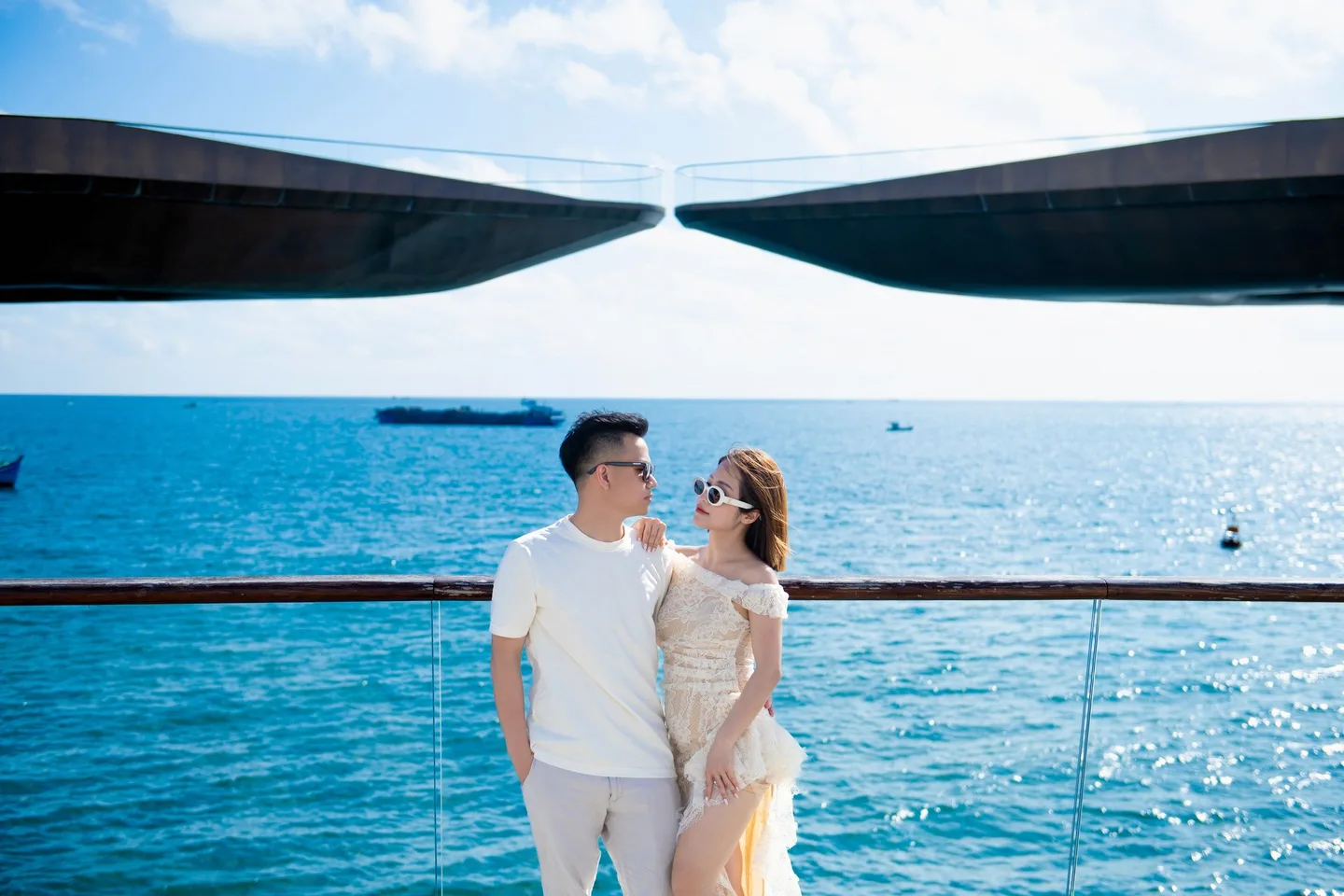
Agree the arrival, position and signal together
A location name alone is not a meeting instruction. Ask for an identifiable point, your approach direction and the place where you should pause. Agree how the photographer will recognise you. A simple arrival reference shared privately can be more useful than trying to explain several turns while your partner is beside you.
Discuss the photographer’s position and the direction you will face before deciding on a signal to begin. That lets the team consider the background and a clear view of both of you. Keep the signal simple enough to remember, and agree how to pause or report a delay without repeatedly checking your phone.
If a friend or venue contact is helping, give that person one clear responsibility and make sure they have the same version of the plan. Several people independently changing the meeting point can create more confusion than having one trusted coordinator.
- Exact meeting point and approach direction.
- How the photographer will recognise you.
- Where to pause and which way to face.
- Signal to begin, plus a separate way to pause.
- Private contact for delays and one person authorised to relay changes.
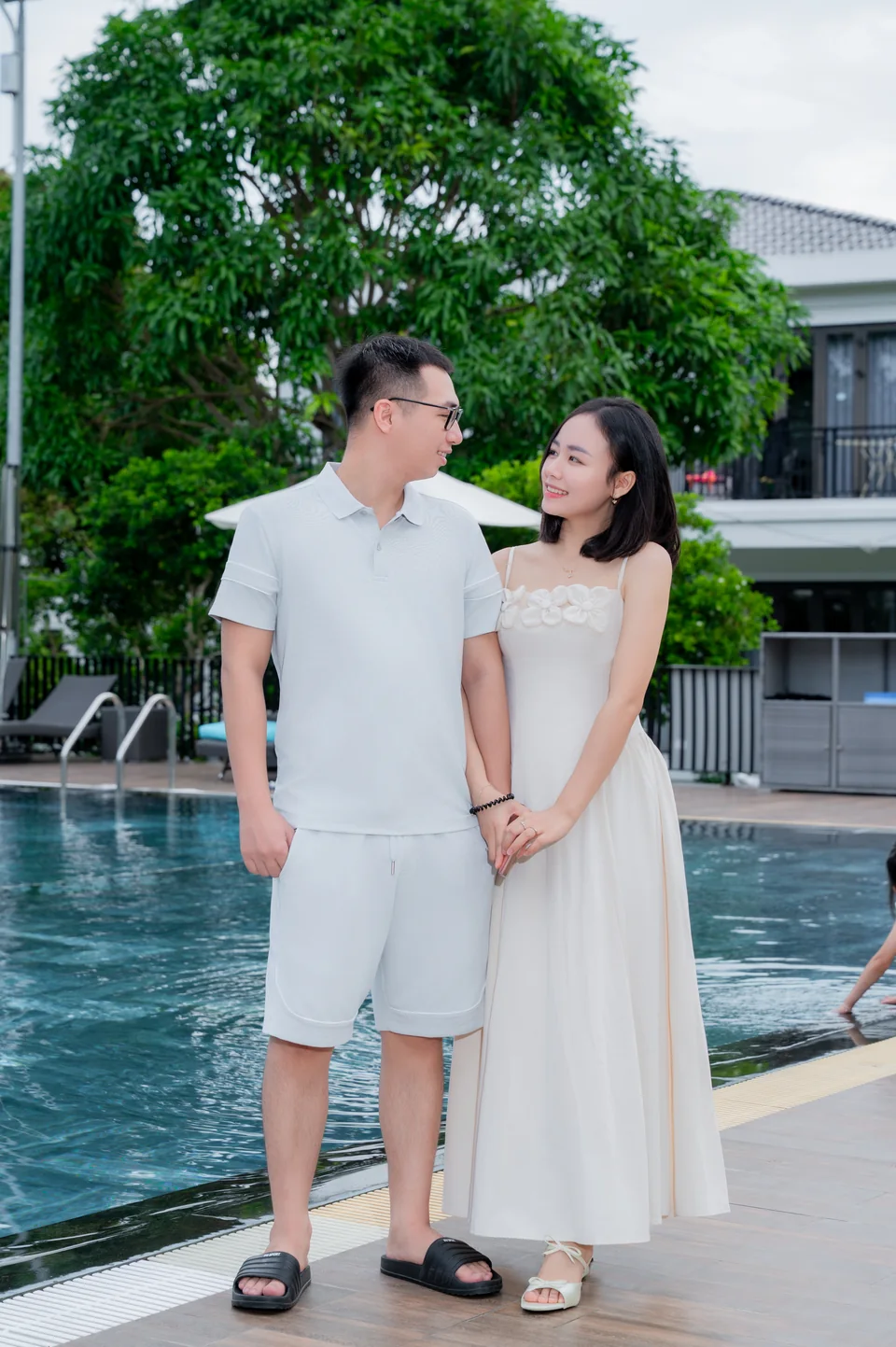
Separate the photography plan from the occasion arrangements
Photography, flowers, a dinner reservation and exclusive space are different arrangements. Put each requested element beside the person responsible for confirming it. A hotel stay or restaurant reservation does not automatically allow an outside photographer, furniture, decorations or a reserved area.
Use the table as a planning worksheet rather than a list of included services. Ask the team to identify what is in the written quote and which arrangements remain with you or a named supplier. If you want video, an early image selection or aerial work, raise that before booking so the scope can be checked.
| Arrangement | What to settle before the day |
|---|---|
| Photography | Coverage window, arrival plan, priorities, edited selection and delivery agreement. |
| Venue or location | Exact space, permission, any fees and the person confirming access. |
| Flowers or decorations | Named supplier, approved setup position, delivery, setup and collection. |
| Dinner or other activity | Reservation, arrival expectations and whether it fits the photography plan. |
| Guests or helpers | Who knows, when they join and who coordinates them. |
| Personal belongings | Who keeps the ring and belongings secure; do not assume the photographer will hold them. |
Make the alternative as easy to follow as the main plan
A backup works only if you know how to use it. Discuss what happens if access is restricted, the setting is too busy, you are delayed or the weather makes the route unsuitable. Decide who communicates the change, which channel to use and how you will recognise that the new plan is confirmed.
A sheltered space needs permission just as the original setting does. Moving to another location or date also depends on availability, travel and any additional cost. Agree those conditions rather than assuming every replacement is included. The booking policy and written confirmation explain the change and cancellation terms for the session.
Keep both routes short enough to remember. You might ask for one main meeting point and one agreed alternative, instead of carrying a long list of possibilities into the day. This is a planning preference to discuss, not a promise that a second venue or date is available.
Leave room for the reaction before moving into portraits
The question is not the whole occasion. Tell the photographer whether the approach, reaction, ring detail or portraits together matter most. A clear order of priorities helps the team understand the brief without asking you to direct the camera during the moment. No particular reaction or every fleeting expression can be guaranteed.
Once the surprise is revealed, check that your partner is comfortable continuing with photographs. Allow a pause before guided portraits, and say if friends or family will join afterwards. You can discuss the setting for those portraits in advance without expecting the personal moment to follow a script.
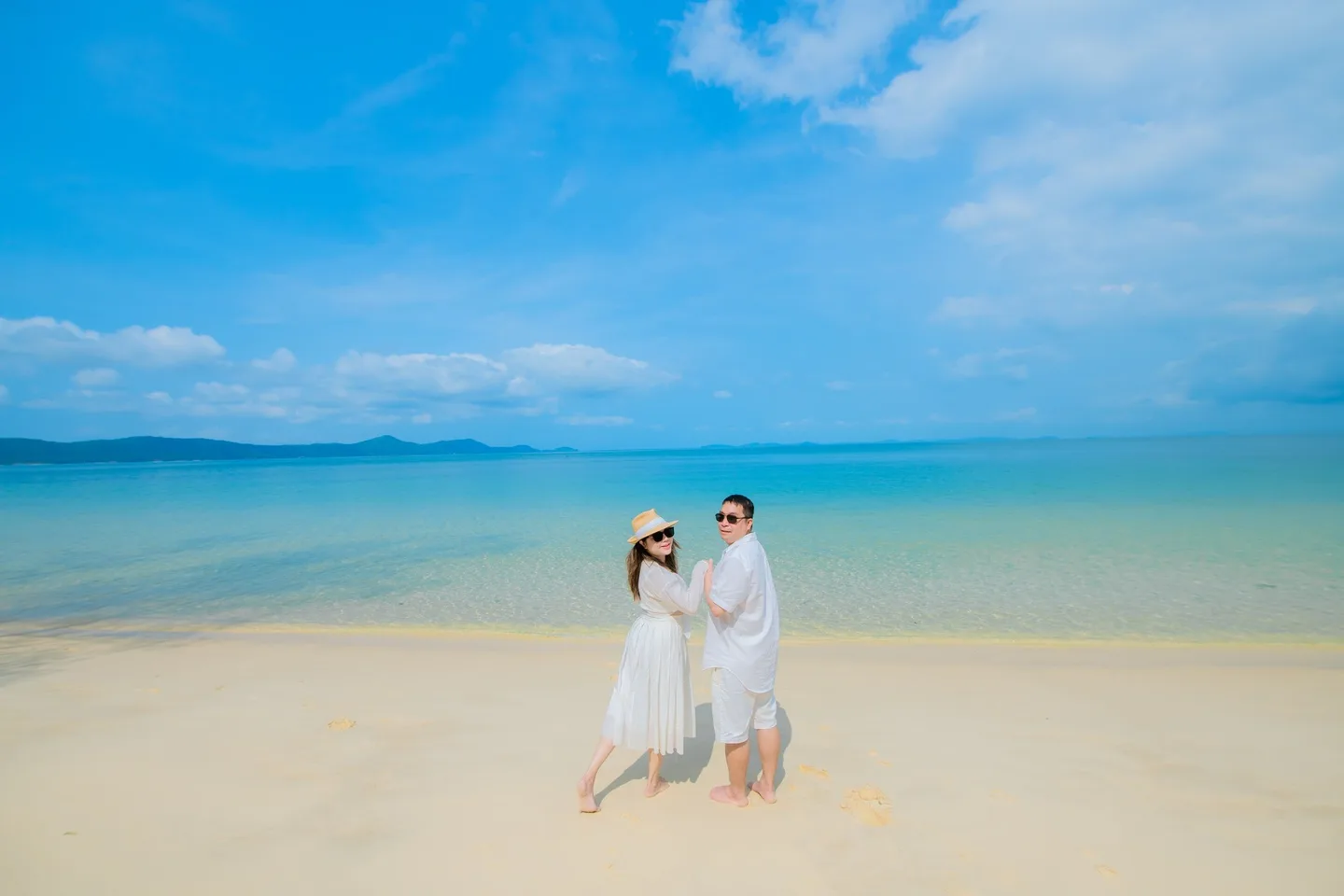
Send a useful inquiry and keep the final plan in one place
A useful first message could say that you are staying in a particular area, your date is flexible within your trip and your partner would prefer limited public attention. Add whether you want photographs of the surprise itself or portraits after an occasion everyone already knows about. These details change the coordination required.
Before confirming, bring the agreed meeting point, signal, contact method, responsibilities and alternative into one final plan. Check the edited selection, delivery date and image-use terms too. If you hope to announce the news quickly, ask about timing before booking; do not assume same-day images or permission for a venue to reuse your photographs.
- Travel dates, preferred date and flexibility.
- Safe contact channel and suitable contact times.
- Accommodation area, preferred setting and privacy expectations.
- The moment and portraits you would most like covered.
- Helpers, guests, reservations or suppliers already involved.
- Any announcement deadline, video request or other scope question.
Try the decision with a planning example
Suppose your partner thinks you are going for a short walk. A simple meeting point and one arrival cue may be more practical than a complex decorated route. If the planned area becomes busy, the photographer and your contact need a pre-agreed way to discuss an alternative without revealing the surprise. A quieter-looking reference is not a promise of privacy. Keep the proposal itself and portraits afterwards as separate priorities.
| Choice | Useful question |
|---|---|
| Arrival | Can both people reach the point naturally? |
| A delayed signal | Who can contact the photographer discreetly? |
| Afterwards | Do you want a pause before portraits? |
Research and references
Reference titles are shown in their original language.
- Current proposal service: coordination, scope and existing evidence limits
- Current Sunset Town and Kiss Bridge photography guide
- Sun World: official Kiss Bridge destination information
- Competitor two-location shoot: route and property-access comparison
- Vietnamese destination results: couple-location intent