
When to Plan a Phu Quoc Photoshoot: Seasons, Light and Settings
Plan a Phu Quoc photoshoot around seasonal patterns, morning or evening light and your group, with clear limits on weather and sunset expectations.
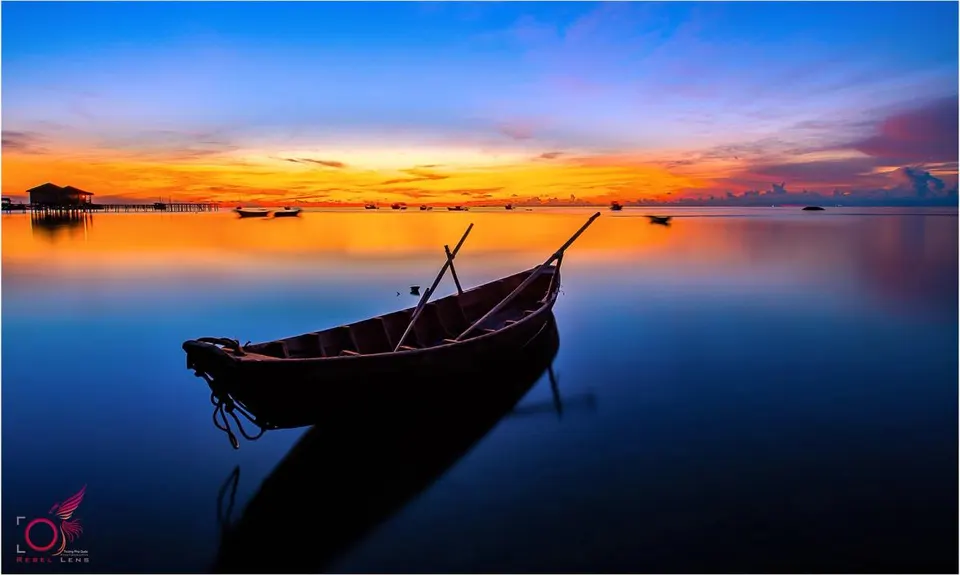
A useful answer to “which month is best?” starts with the photographs and people, not a promise of perfect weather. A beach portrait, a town walk and a family session with a young child can need different combinations of light, walking and rest. Your available dates are one part of that decision.
Separate a seasonal preference from a forecast for the session itself. The landscape photographs here show particular finished images. Their capture dates are unconfirmed, so they are not evidence of what any month reliably looks like or of the conditions you will receive.
Ready to compare the work and session options? Explore our Phu Quoc photographer page, then use this guide to prepare your questions.
Treat seasons as planning context
Destination guidance commonly describes a drier period around November to April and wetter conditions during the other part of the year. Published sources differ at the transition months. Use those broad patterns to ask better questions rather than treating the first day of a month as a weather boundary.
If you can choose travel dates, discuss the setting and flexibility you want before deciding. If the trip is already booked, work with those dates and identify a suitable time and alternative. A dry-season label does not guarantee a clear sunset, and a rainy-season label does not describe every hour of a day.
Compare morning light with your own schedule
An early session may suit people who are comfortable starting before other holiday activities. Ask about the exact meeting time, travel from your hotel and whether breakfast or children’s routines make that start realistic. A quieter-looking reference is not proof that a public location will be empty.
At bright sandy settings, the direction of the light and available shade matter as much as the clock. Your photographer can discuss the specific shore or street rather than assume every beach behaves the same way. Keep walking distances and rest needs in that conversation.
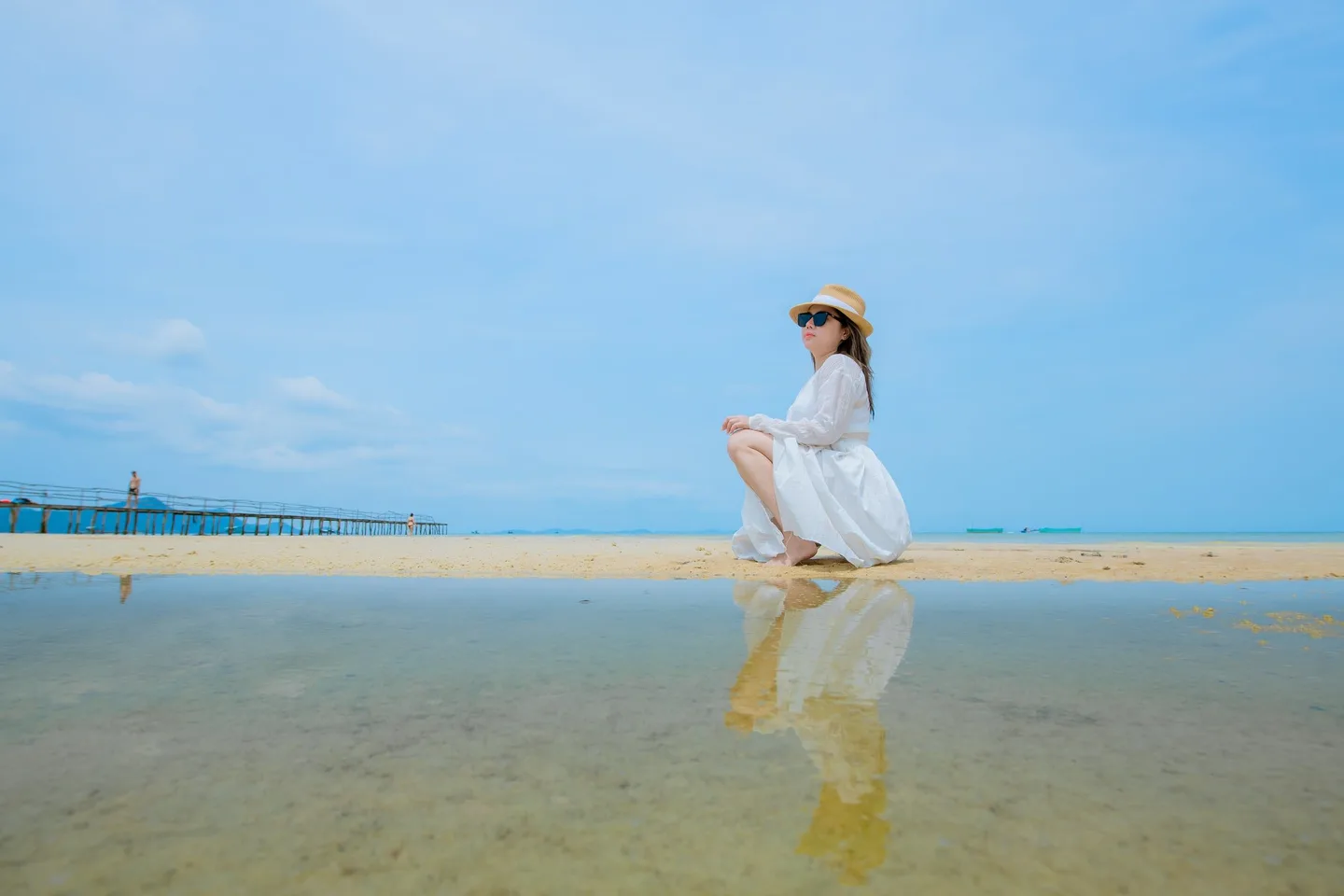
Plan an evening sequence rather than one guaranteed instant
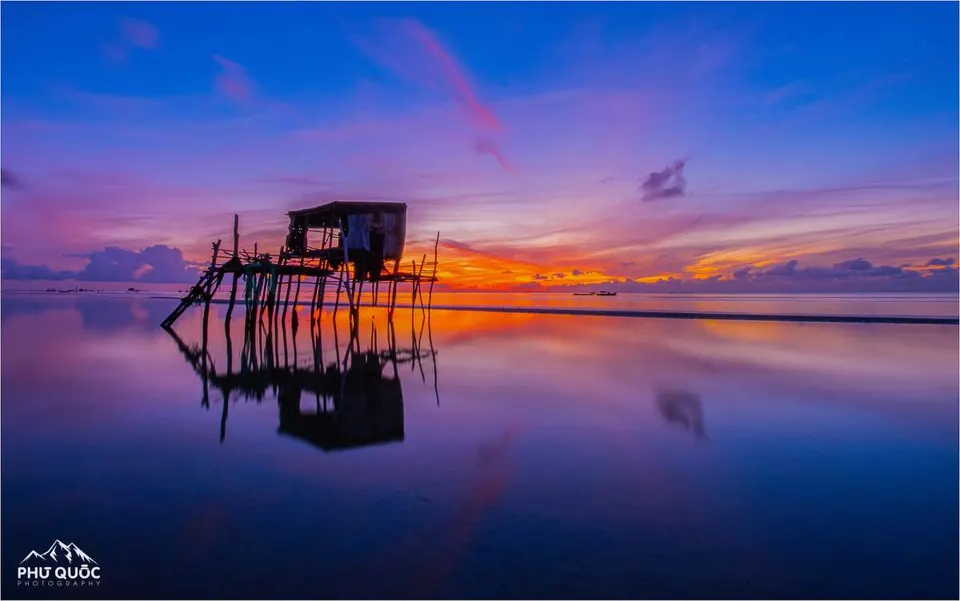
If you want evening colour, leave room for the changing light before and after the sun approaches the horizon. The meeting time should include the route and preparation, not only the desired photograph. Cloud and visibility can change the scene even when the date and coast are well chosen.
A reflected sky, as in the photograph below, depends on the visible surface as well as the sky. It is not an example of a guaranteed portrait location or a colour the photographer can order. Agree whether a town, closer portrait or different background could still fulfil the purpose if the horizon is obscured.
Match the time to the particular setting
Grand World architecture and Sunset Town waterfront scenes offer different structures for a short route. Use the existing location guides to compare the intended mood and practical access. Do not turn the timing decision into a session that rushes between distant parts of the island.
Bai Sao, Bai Khem and Rach Vem need their own access and condition checks. A beach name does not settle the direction of the sun, water conditions or whether wildlife will be visible. Managed attractions and resort grounds may also have permission requirements independent of their opening hours.
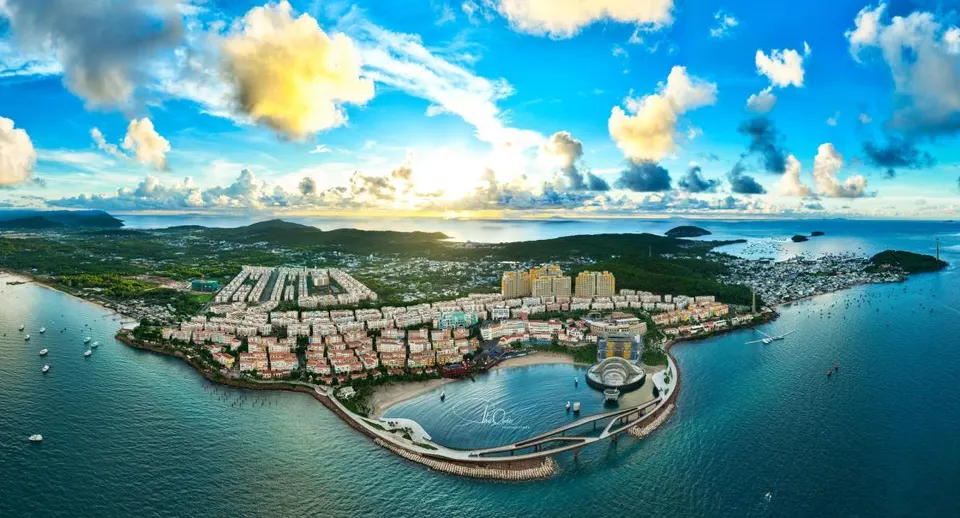
Put the group before the most dramatic sky
Ask each person what time of day they can manage comfortably. For a family, rest, meals and attention can outweigh a particular background. For someone with limited walking comfort, a compact accessible setting can matter more than adding one extra viewpoint.
A late session also needs a plan for the return journey, belongings and any clothing change. Explain the photographs you want most, then choose a small set of priorities. The best time is useful only when the people can enjoy being photographed during it.
Confirm the near-date plan separately
Once dates are known, send your accommodation area, group and preferred setting. Ask how and when the near-date forecast, access and meeting details will be reviewed. Keep the agreed backup and contact method in writing rather than assuming a general weather guide is a booking policy.
If rain changes an already planned session, use the separate weather-contingency guide to prepare the questions about alternatives and confirmation. Rescheduling, refunds, transport and shelter availability depend on the agreed terms. They are not promised by choosing a season or requesting an inquiry.
Try the decision with a planning example
Imagine a family already booked to travel in a wetter month. Choosing a time that fits rest and one practical area may be more useful than searching for a month label to guarantee a sunset. Discuss the photographs that matter under different light, then agree a near-date forecast review. A couple with flexible travel dates can use seasonal patterns earlier in planning, but still needs that same near-date check.
| Choice | Useful question |
|---|---|
| Season | Can travel dates change, and what matters about the setting? |
| Time of day | Do preparation, meals and walking fit? |
| Near-date review | Who checks conditions and confirms any change? |
Research and references
Reference titles are shown in their original language.