
Photos, a Short Film, or Both for Your Phu Quoc Celebration?
Choose what you want to keep, hear and share, then agree the coverage and finished outputs that serve those priorities.
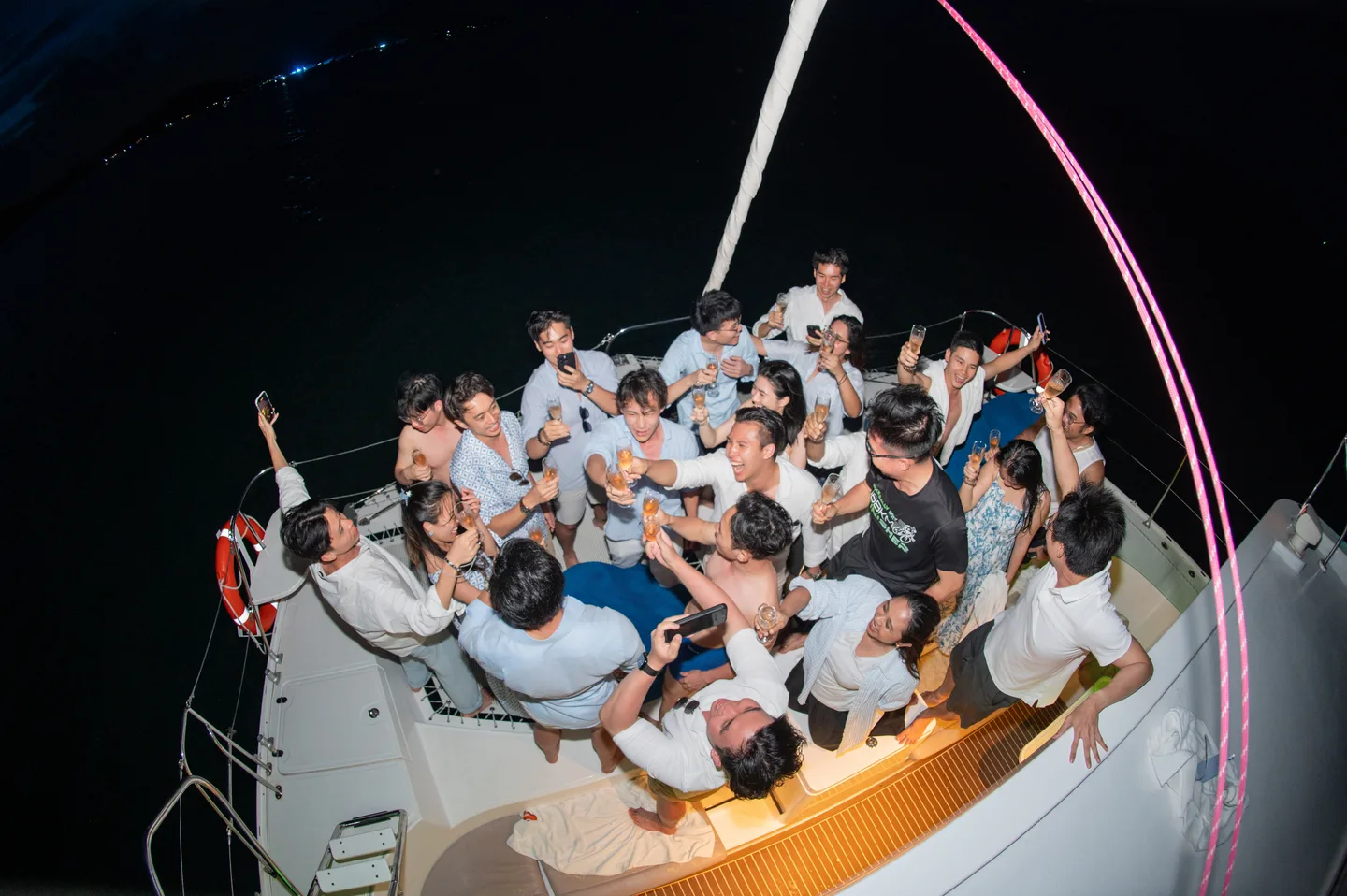
You may want a photograph to frame, a film that brings back the atmosphere, or a clear recording of someone’s words. Those are different reasons to commission coverage. Choosing between photos, film and both becomes easier when you start with how you want to revisit the celebration rather than a package label.
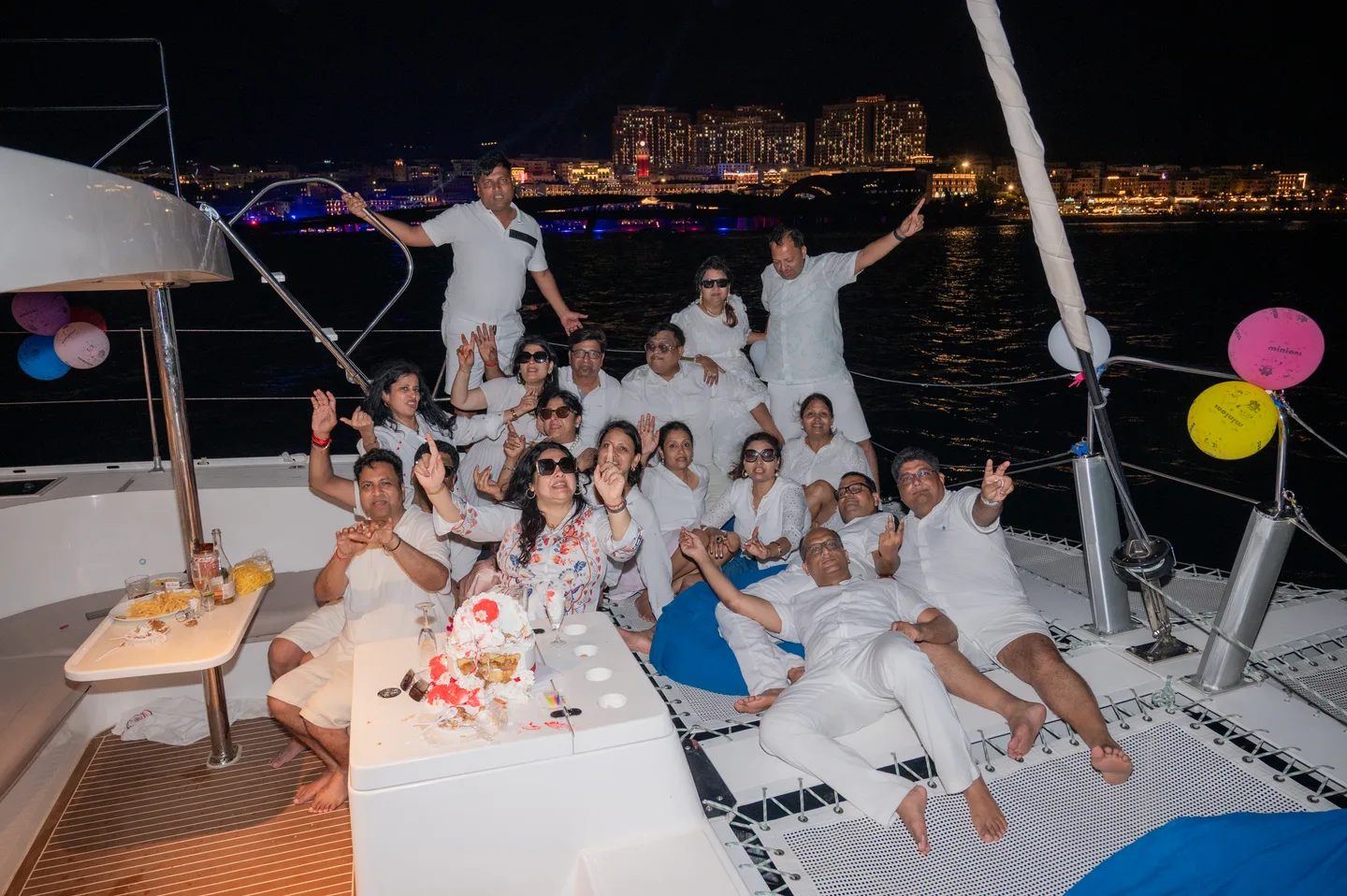
This guide compares the decisions for a birthday, private dinner or family gathering. The real images are still photographs, not frames from a verified event film. They can illustrate people, composition and occasion, but they cannot demonstrate movement, recorded sound or the results of a combined production.
Ready to compare the work and session options? Explore our Phu Quoc photographer page, then use this guide to prepare your questions.
Describe what you want to revisit after the celebration
Imagine opening the finished work later. Do you want individual photographs of people together, the sequence and energy of the gathering, or the words of a particular toast? List the two or three results that matter most. If a framed group portrait is the main priority, say so. If hearing a relative speak is essential, that needs its own recording discussion.
Explain who will watch or receive the work. A host viewing a film privately, family members downloading photographs and guests sharing short clips create different requirements. If a venue, sponsor or business wants promotional material, identify that separate use rather than folding it into a personal celebration brief.
Start with the occasion’s service. Filming an unfolding event is different from arranging a planned personal portrait film. A wedding or commercial event also needs its own brief. You can ask for advice before choosing the format, but the programme and intended use should remain clear.
Choose photographs for individual moments and group combinations
An edited photo collection gives you separate images to revisit, share or use in an agreed print arrangement. Decide whether the priority is observed activity, directed group portraits, details or a mixture. Identify the people who must be gathered and when they will be available rather than relying on a general request for candid photographs.
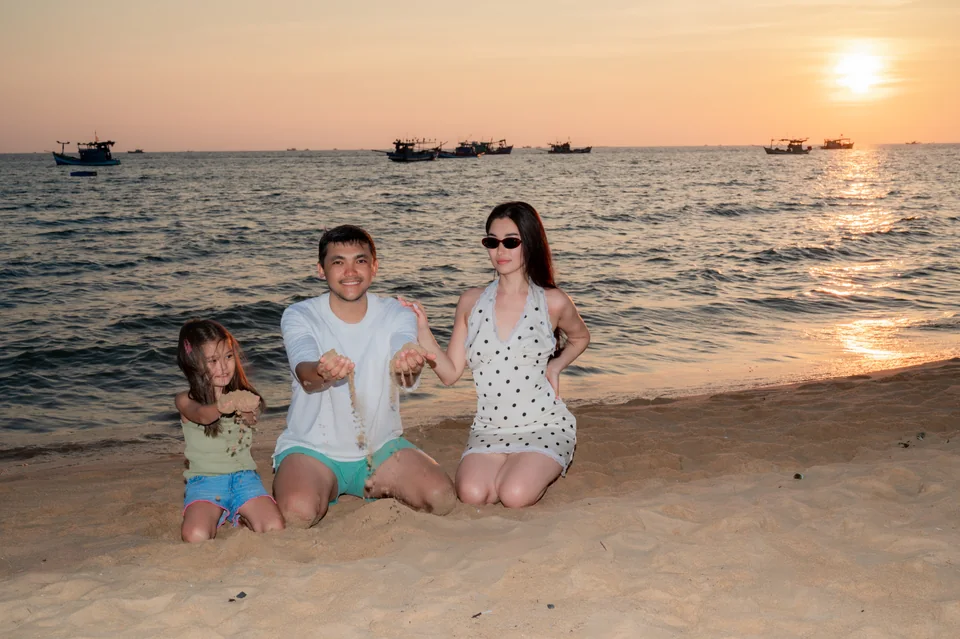
The family portrait below shows how a clear group composition can keep people and expressions readable in one frame. It is a separate portrait reference, not a documented private celebration. Discuss which combinations matter for your event and how the host can gather those people without repeatedly interrupting the occasion.
Ask about the edited selection, who chooses it, file versions and the editing included. Prints, albums and extensive retouching need explicit scope where wanted. A set of still photographs should be commissioned for the moments you value, not treated as an automatic by-product of filming.
Distinguish a highlight film from a complete recorded contribution
A highlight film brings selected scenes together through sequence, pacing and sound. It may convey the atmosphere without containing every activity or every sentence. Discuss the intended length or range, the people and moments it should emphasise, and whether spoken words are part of the idea.
If you want a complete speech, message or performance, name it separately. Say where it happens, who is involved and whether you want it delivered as its own edit. Keeping a continuous contribution understandable is a different requirement from selecting a few moments for a short film. One cannot be inferred from the other.
Ask to review a relevant finished film with sound when assessing an offer. If a complete speech matters, look for an example where you can assess its continuity and audibility, not only an atmosphere edit. The still photographs here illustrate portrait and event compositions; they cannot demonstrate recorded sound or moving-image quality.
Make the sound request specific before the event
Tell the team which words or environmental sounds matter. Identify the speaker, likely position, approximate place in the programme and the person operating the venue sound system. Ask what recording access, microphones or other arrangements need to be included and who can approve them.
Do not assume that a microphone audible in the room also supplies a usable recording to the film team. Nor does a camera being present establish clear speech. Background music, conversation, wind and distance can affect the result. The crew and venue need a practical sound plan and a way to check it before the contribution begins.
If someone will deliver a surprise message, give the recording contact a discreet cue without spoiling the occasion. If the speaker moves or the programme changes, pass that information on. Explain whether a complete recording or selected words are essential so that sound priorities match the finished output you have requested.
Choose both with a plan for moments that happen only once
Combined coverage requires a discussion of attention, positions and responsibilities. During a toast, one brief may prioritise a still portrait of the group while another needs the whole contribution recorded with sound. Ask how the proposed team can meet both, and where a choice is necessary if the programme creates competing demands.
The worksheet below describes questions rather than a required crew size. Do not assume one person can continuously film a speech and photograph every reaction elsewhere. Additional people or equipment must have a defined role, available space and agreed scope; simply adding the word both does not settle the production plan.
Swipe horizontally to see all columns.
| Moment or requirement | Photo priority to discuss | Film priority to discuss |
|---|---|---|
| Guests together | Which combinations need a clear portrait. | Whether group movement or a spoken message is wanted. |
| Speech or toast | Speaker, group and selected reactions. | Complete contribution or selected words, with the sound arrangement. |
| Cake or surprise | The people and one-time moment that matter. | Sequence, cue and whether sound is needed. |
| Simultaneous activities | Which location or people take priority. | Whether another position or recording responsibility is required. |
| A later programme change | What remains within the photo endpoint. | What must be completed within film coverage and any agreed extension. |
Name each finished output instead of asking for all the content
Separate time spent recording from what will be delivered. Agree the edited photo quantity or selection basis, the finished films, any complete speech edit, and the versions required. Raw footage, every camera file, editable projects and additional exports need explicit agreement rather than being assumed from the coverage duration.
Explain where you plan to view the work. A horizontal film for a screen and a vertical version for a phone can need different framing and editing. Ask whether both are included and what text, captions or language versions are required. Do not rely on a last-minute crop to preserve every person in a wide group scene.
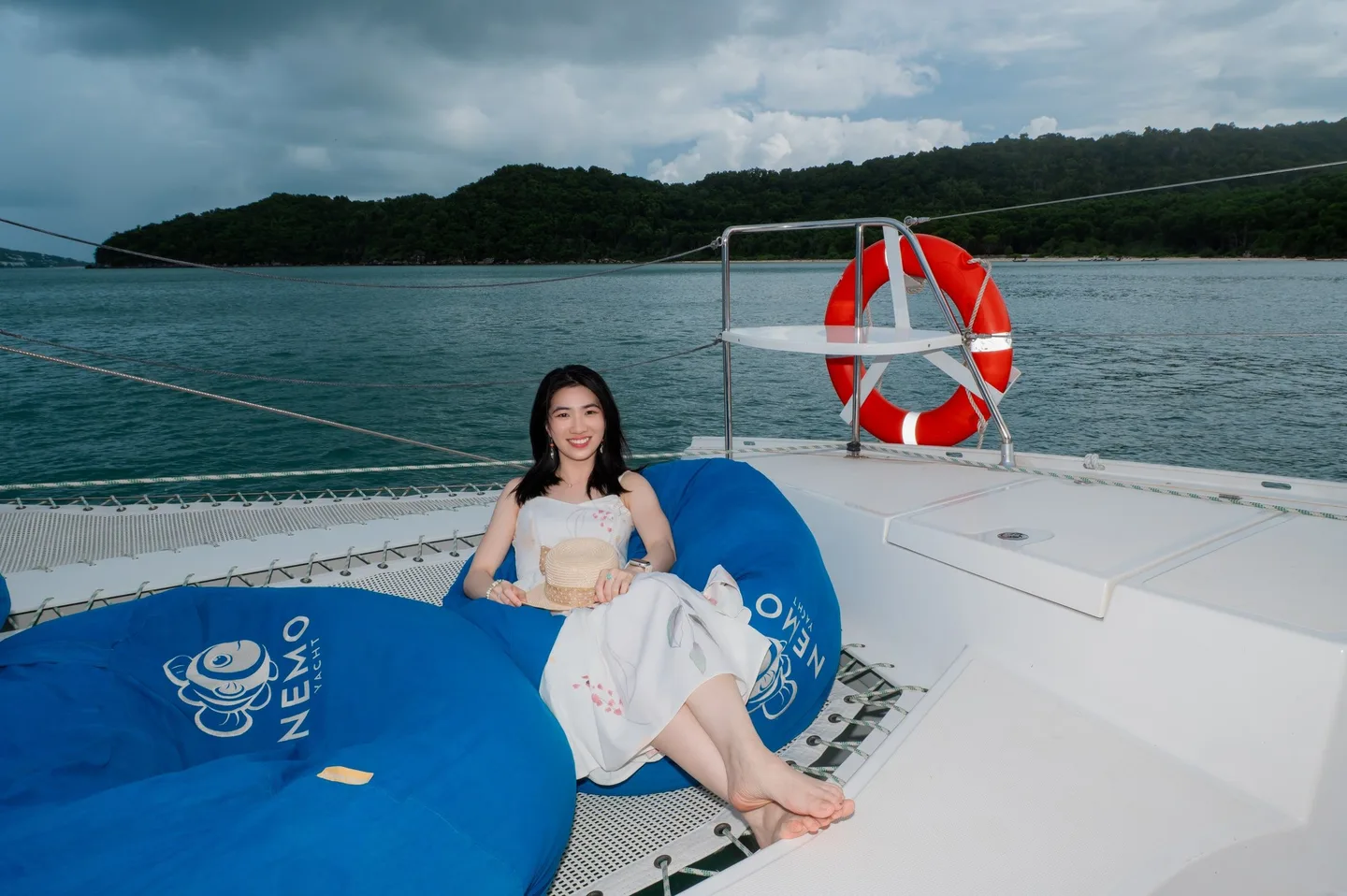
The individual deck portrait below is one finished still photograph. It does not establish that a matching clip, vertical edit or full event recording exists. List the outputs you want separately so a proposal can be assessed on the result you will receive.
| Output to specify | Details to settle |
|---|---|
| Edited photographs | Selection basis, selector, editing, file formats and intended personal use. |
| Highlight film | Finished length or range, story priorities, sound, music and orientation. |
| Complete recorded contribution | Named speech or message, recording requirements and separate delivered edit. |
| Additional versions | Orientation, captions, language, clean version or other required export. |
| Review and delivery | Feedback lead, included rounds, dependencies, expected dates and access window. |
Agree music, feedback and the people who may receive the work
Discuss the music approach and intended sharing destinations before editing. A favourite track is a preference to consider, not proof that it can be used in the delivered film. YouTube advises checking music licences for where and how a track may be used; a label saying free does not settle those permissions or prevent a platform restriction.
Choose one person to consolidate feedback, with time references for film notes where useful. Clarify what the agreed review rounds cover. Refining a title differs from requesting a new concept, another version or a reshoot, and those changes can affect scope and timing. Ask for expected dates and explain any event or family deadline before booking.
Decide whether files go only to the host or also to guests, and how access will be managed. Personal delivery, venue promotion and our portfolio use are separate choices. Keep the wishes of identifiable adults and relevant guardian permissions in view, and download your own copies within the agreed access window.
Send a brief that makes your format priorities easy to assess
Share the date, venue, estimated guest count and running order, then list the photographs, movement and spoken contributions that matter most. If you have not chosen between formats, state the result you want and your budget guidance. That gives the team something concrete to discuss without requiring you to design the production.
Ask the proposal to explain coverage, team responsibilities, sound, finished outputs, review and delivery separately. If the scope needs reducing, preserve the most important memories rather than silently removing the recording arrangement that makes them possible. The companion coverage guide helps put those decisions back into the actual celebration programme.
- The occasion and the people you want to remember.
- Date, venue, guest count and draft programme.
- Priority still photographs and group combinations.
- Movement, full speeches or selected words that matter.
- Viewing and sharing destinations, orientations and versions.
- Host contact, approval lead, budget guidance and timing needs.
- Questions about team roles, sound, selection and delivery.
Try the decision with a planning example
Suppose the priority is a grandparent’s full speech, alongside photographs for the family. A musical highlight film is not a substitute for that speech. Request full recording and sound explicitly, and ask how simultaneous photographs would be handled. Review a relevant finished example before deciding. Agree the versions and sharing rights; a still toast photograph cannot establish that any of these audio or film requirements were met.
| Choice | Useful question |
|---|---|
| Photo collection | Do you want frames to print and revisit? |
| Edited film | Is a selection of moving moments enough? |
| Full speech | Are continuous recording and intelligible sound explicitly requested? |
Research and references
Reference titles are shown in their original language.
- Existing private event service and coverage boundaries
- Existing personal film service: planned session distinction
- Booking, changes and delivery policy
- Image usage and separate publicity permission
- AVS Phu Quoc: private-party venue inquiry context
- AV Vietnam: event deliverable and sound-planning distinctions
- 2BIG: qualitative comparison with commercial event production
- YouTube: music permissions and platform restrictions